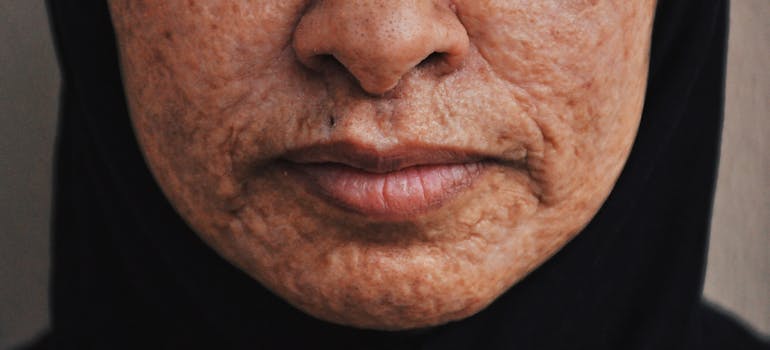
Addiction is often judged by behavior or lifestyle — but sometimes, the clearest signs are written on the body. Skin may lose its glow, hair thins, eyes become dull — these visible changes are not simply cosmetic. They can be early warnings that addiction is damaging your health from the outside in. At Selma-COB, we believe recovery means more than sobriety. It means healing the body, restoring confidence, and rebuilding hope. Understanding how addiction affects your skin, hair, and eyes can be a powerful first step toward seeking help and beginning the journey to recovery.
How Addiction Shows Up on Skin, Hair, and Eyes
Skin Signals: Dryness, Discoloration, and Scars
One of the first and often most visible consequences of substance abuse appears on the skin. Many drugs and alcohol dehydrate the body, draining essential moisture that skin needs to stay healthy. This dehydration, combined with impaired nutrition, breaks down collagen and elastin — the proteins that keep skin firm and youthful. The result can be dry, flaky skin, fine lines, and premature wrinkles.
Stimulant drugs in particular – such as methamphetamine and cocaine – can constrict blood vessels, reducing oxygen and nutrient supply to skin cells. Over time, this can create a dull, sallow, or uneven complexion.
Furthermore, some substances — or behaviors linked to substance use — can lead to skin picking, open sores, and infections. For instance, people under the influence of meth may experience formication (a sensation of bugs crawling under the skin), which can lead to persistent picking and permanent scarring.
On top of that, long-term drug or alcohol abuse can impair wound healing and weaken the immune system, making the skin more vulnerable to infections, ulcers, and chronic lesions.
These effects often combine to create a complexion that looks aged, unhealthy, and worn — sometimes far younger than the real age would suggest.
Hair and Nails: Quiet Casualties of Addiction
Drug-induced stress, poor diet, dehydration, and hormonal imbalance all contribute. Over time, hair may lose its shine, become lifeless, and even recede — a visible reminder that the body is under strain. This deterioration of hair and nails can further erode self-confidence and affect a person’s self-image at a fragile time.
Eyes: The Windows to Internal Strain
Eyes often reflect what the rest of the body is experiencing internally. Chronic substance use can lead to bloodshot, glassy, or unusually dilated or constricted pupils depending on the drug. These changes can persist even when not under the immediate influence of substances, signalling ongoing stress on the body.
Because addiction often disrupts sleep patterns, causes dehydration, and weakens circulation, the skin around the eyes commonly becomes puffy or darkened. Over time, these changes create a chronically tired or hollow appearance.
For individuals trying to recover, these changes can become painful reminders of what has been lost — health, self-esteem, and vitality.
Why These Physical Signs Matter
These physical signs — skin changes, hair loss, dull eyes — are more than external effects. They often reflect deeper health issues: malnutrition, dehydration, compromised immunity, and internal organ stress. Ignoring them does not make them go away; untreated substance use can accelerate degeneration of the body, leading to far more serious complications over time.
Moreover, such changes weigh heavily on emotional well-being. When someone no longer recognizes themselves in the mirror, shame, isolation, and low self-esteem often follow. This emotional burden can reinforce the cycle of addiction.
At Selma-COB we recognize that recovery must address body, mind, and spirit. Ignoring the physical damage makes long-term healing far more difficult.
Healing Holistically: How Recovery Can Restore What Addiction Took
The good news is that many of these changes are not permanent — if the person receives proper care, nutrition, and time. With comprehensive treatment, the body can begin to heal. Skin can regain tone, hair follicles can revive, circulation can normalize, and immune function can strengthen.
At Selma-COB, we offer individualized, holistic treatment. Whether through inpatient or outpatient care, we combine evidence-based therapies, nutritional support, mental health treatment, and faith-based care tailored to each individual’s journey. This integrative approach supports recovery from the inside out, helping the body to repair and the individual to rebuild confidence and self-worth.
Restoring appearance is not vanity — it is part of reclaiming dignity. As clients progress, many report improved self-esteem, renewed hope, and a sense of reclaiming control over their lives.
When You See the Signs, It Is Time to Reach Out
If your skin looks dull, your hair is thinning, your eyes seem tired — and substance use is part of your story — these are not just cosmetic issues. They could be signals that addiction is eroding your health, silently but powerfully.
You do not have to face this alone. At Selma-COB we believe in healing the whole person — body, mind, and spirit. If you or a loved one are struggling, reach out today. Help is available. Recovery is possible. Healing can begin now — from the inside out.