The Face of Recovery: Restoring Health and Confidence After Substance Abuse

Substance abuse leaves marks that extend far beyond behavior or emotional struggles. One of the most visible areas affected is the face, often reflecting years of stress, poor nutrition, dehydration, and neglect. Dark circles, dull skin, premature wrinkles, and dental issues are common signs that addiction has taken a toll. At Selma-COB, we understand that recovery is about more than overcoming substance use. It is a journey of restoring health, confidence, and self-esteem from the inside out. Understanding how recovery can repair both physical and emotional well-being is crucial for anyone beginning this transformative path.


The Visible Toll of Substance Abuse

Skin: From Dullness to Vitality

The skin is often the first area where addiction’s effects become apparent. Chronic drug or alcohol use can dehydrate the body, disrupt nutrient absorption, and reduce blood circulation. These factors contribute to a dull complexion, dryness, premature wrinkles, and sagging. Stimulants, such as methamphetamine and cocaine, can accelerate collagen and elastin breakdown, which diminishes skin elasticity. Alcohol may cause puffiness, redness, or broken capillaries, leaving lasting marks.

With proper care during recovery, the skin can regain moisture, tone, and elasticity. Nutrition, hydration, and medical treatment, combined with stress management, play a central role in restoring a healthier complexion.

Eyes: Reflecting Health and Energy

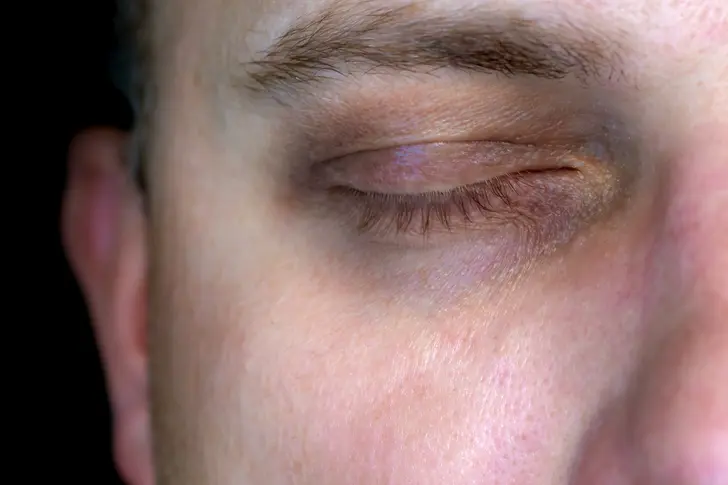
Eyes are powerful indicators of overall health. Substance abuse can cause bloodshot, glassy, or yellowed eyes, as well as dark circles and puffiness due to fatigue and poor circulation. These changes often make an individual appear older and worn. In recovery, adequate sleep, hydration, and medical support help the eyes regain their natural clarity, reflecting renewed vitality and energy.

Hair, Teeth, and Nails: Indicators of Healing

Addiction often impacts hair, nails, and oral health. Hair may thin, become brittle, or fall out entirely due to malnutrition and hormonal imbalance. Nails can weaken or develop ridges. Teeth frequently suffer from decay, discoloration, or gum disease, particularly among individuals using stimulants or alcohol.

Recovery programs at Selma-COB provide holistic care to support hair, skin, and oral health restoration. Nutritional guidance, dental care, and medical support are integrated into personalized treatment plans, ensuring that physical health is addressed alongside mental and emotional well-being.


The Emotional Importance of Restoring Appearance

Visible changes from addiction often affect self-esteem and confidence. Individuals may feel embarrassed, socially withdrawn, or self-conscious. These emotional burdens can reinforce substance use or make it harder to seek help. Holistic recovery addresses these challenges by promoting self-compassion, resilience, and empowerment. Therapy, faith-based support, and life skills training are crucial components that help individuals reconnect with themselves and regain confidence.


Holistic Recovery: Healing Body and Mind

Recovery at Selma-COB is comprehensive. Inpatient and outpatient programs focus on medical treatment, mental health care, and spiritual guidance, all tailored to each individual’s needs. Holistic approaches, including nutrition, exercise, and mindfulness, help the body repair itself. Mental health support addresses trauma, anxiety, and depression, while faith-based guidance nurtures purpose and hope.

By combining these strategies, clients gradually see changes not just in appearance, but in overall well-being. Healthier skin, stronger hair, and improved dental health are visible milestones that mirror the internal progress achieved through recovery.


Reclaiming Health and Confidence

Substance abuse may alter appearance, but recovery can restore both physical health and self-confidence. At Selma-COB, our compassionate and professional team helps individuals heal completely — body, mind, and spirit. If you or a loved one are struggling with addiction, now is the time to take the first step. Recovery is not only possible; it is a journey toward reclaiming your health, your confidence, and the face that reflects the person you are meant to be.

Beyond the Buzz: What Your Skin, Hair, and Eyes Reveal About Addiction

Addiction is often judged by behavior or lifestyle — but sometimes, the clearest signs are written on the body. Skin may lose its glow, hair thins, eyes become dull — these visible changes are not simply cosmetic. They can be early warnings that addiction is damaging your health from the outside in. At Selma-COB, we believe recovery means more than sobriety. It means healing the body, restoring confidence, and rebuilding hope. Understanding how addiction affects your skin, hair, and eyes can be a powerful first step toward seeking help and beginning the journey to recovery.


How Addiction Shows Up on Skin, Hair, and Eyes

Skin Signals: Dryness, Discoloration, and Scars

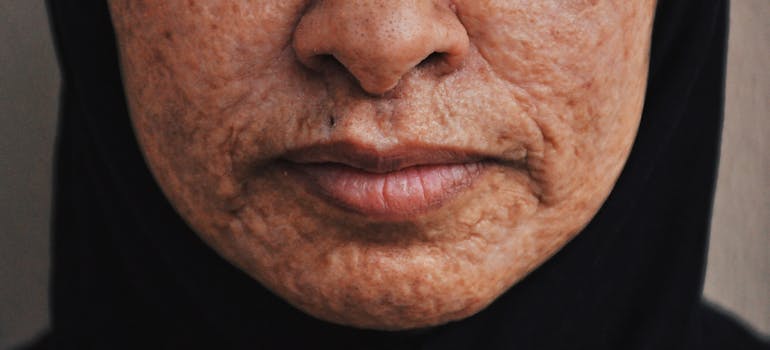
One of the first and often most visible consequences of substance abuse appears on the skin. Many drugs and alcohol dehydrate the body, draining essential moisture that skin needs to stay healthy. This dehydration, combined with impaired nutrition, breaks down collagen and elastin — the proteins that keep skin firm and youthful. The result can be dry, flaky skin, fine lines, and premature wrinkles.

Stimulant drugs in particular – such as methamphetamine and cocaine – can constrict blood vessels, reducing oxygen and nutrient supply to skin cells. Over time, this can create a dull, sallow, or uneven complexion.

Furthermore, some substances — or behaviors linked to substance use — can lead to skin picking, open sores, and infections. For instance, people under the influence of meth may experience formication (a sensation of bugs crawling under the skin), which can lead to persistent picking and permanent scarring.

On top of that, long-term drug or alcohol abuse can impair wound healing and weaken the immune system, making the skin more vulnerable to infections, ulcers, and chronic lesions.

These effects often combine to create a complexion that looks aged, unhealthy, and worn — sometimes far younger than the real age would suggest.


Hair and Nails: Quiet Casualties of Addiction

Drug-induced stress, poor diet, dehydration, and hormonal imbalance all contribute. Over time, hair may lose its shine, become lifeless, and even recede — a visible reminder that the body is under strain. This deterioration of hair and nails can further erode self-confidence and affect a person’s self-image at a fragile time.


Eyes: The Windows to Internal Strain

Eyes often reflect what the rest of the body is experiencing internally. Chronic substance use can lead to bloodshot, glassy, or unusually dilated or constricted pupils depending on the drug. These changes can persist even when not under the immediate influence of substances, signalling ongoing stress on the body.

Because addiction often disrupts sleep patterns, causes dehydration, and weakens circulation, the skin around the eyes commonly becomes puffy or darkened. Over time, these changes create a chronically tired or hollow appearance.

For individuals trying to recover, these changes can become painful reminders of what has been lost — health, self-esteem, and vitality.


Why These Physical Signs Matter

These physical signs — skin changes, hair loss, dull eyes — are more than external effects. They often reflect deeper health issues: malnutrition, dehydration, compromised immunity, and internal organ stress. Ignoring them does not make them go away; untreated substance use can accelerate degeneration of the body, leading to far more serious complications over time.

Moreover, such changes weigh heavily on emotional well-being. When someone no longer recognizes themselves in the mirror, shame, isolation, and low self-esteem often follow. This emotional burden can reinforce the cycle of addiction.

At Selma-COB we recognize that recovery must address body, mind, and spirit. Ignoring the physical damage makes long-term healing far more difficult.


Healing Holistically: How Recovery Can Restore What Addiction Took

The good news is that many of these changes are not permanent — if the person receives proper care, nutrition, and time. With comprehensive treatment, the body can begin to heal. Skin can regain tone, hair follicles can revive, circulation can normalize, and immune function can strengthen.

At Selma-COB, we offer individualized, holistic treatment. Whether through inpatient or outpatient care, we combine evidence-based therapies, nutritional support, mental health treatment, and faith-based care tailored to each individual’s journey. This integrative approach supports recovery from the inside out, helping the body to repair and the individual to rebuild confidence and self-worth.

Restoring appearance is not vanity — it is part of reclaiming dignity. As clients progress, many report improved self-esteem, renewed hope, and a sense of reclaiming control over their lives.


When You See the Signs, It Is Time to Reach Out

If your skin looks dull, your hair is thinning, your eyes seem tired — and substance use is part of your story — these are not just cosmetic issues. They could be signals that addiction is eroding your health, silently but powerfully.

You do not have to face this alone. At Selma-COB we believe in healing the whole person — body, mind, and spirit. If you or a loved one are struggling, reach out today. Help is available. Recovery is possible. Healing can begin now — from the inside out.

The Beauty Illusion: How Substance Abuse Quietly Ages the Body

Addiction often leaves marks that go beyond the obvious. While the focus is usually on mental health, relationships, and lifestyle consequences, the physical toll of substance abuse is equally significant. Drugs and alcohol silently accelerate aging, affecting skin, hair, teeth, and overall vitality. At Selma-Cob, we understand that recovery is about more than abstaining from substances—it is about restoring the body, mind, and spirit. This article explores how addiction subtly erodes natural beauty and what can be done to restore health and confidence.


How Substance Abuse Affects Physical Appearance

Skin: The First Visible Victim

The skin is one of the most immediate indicators of substance-related damage. Drugs and alcohol disrupt hydration and nutrition, leading to dryness, dullness, and loss of elasticity. Collagen and elastin, proteins essential for firm, youthful skin, break down faster under the stress of substance use. The result is premature wrinkles, sagging, and uneven tone. Stimulants such as methamphetamine can cause compulsive skin picking, leaving scars and blemishes that persist long after the drug use stops. Alcohol contributes to facial redness, puffiness, and broken capillaries, further altering the natural appearance.

Eyes: Mirrors of Exhaustion

The eyes reveal more than energy levels; they reflect the internal strain caused by substance abuse. Chronic drug use can lead to bloodshot or yellowed eyes, puffiness, and dark circles. Lack of restorative sleep, dehydration, and liver stress all contribute to a tired or hollow look. Over time, these changes make even a relatively young person appear older and worn.

Hair, Nails, and Oral Health: Silent Signs of Decline

Substance abuse often leads to poor nutrition, hormonal imbalances, and neglect, all of which affect hair, nails, and teeth. Hair may become thin, brittle, or fall out, while nails weaken or develop ridges. Oral health suffers dramatically: dry mouth, decay, gum disease, and tooth loss are common among people struggling with addiction. Stimulant use, for example, can lead to “meth mouth,” characterized by severe dental decay and discoloration. These visible changes impact self-esteem and often intensify feelings of shame and isolation.

Weight Fluctuations and Posture Changes

Substance abuse can also affect body weight and muscle mass. Stimulants often suppress appetite, leading to rapid weight loss and muscle wasting. Conversely, alcohol and sedatives may cause bloating, fat accumulation, or water retention. Poor posture, fatigue, and weakened muscles contribute to an overall appearance of aging and frailty.


Emotional and Social Impacts of Physical Changes

The outward signs of addiction can deeply affect emotional well-being. When individuals no longer recognize themselves in the mirror, feelings of shame, isolation, and hopelessness can intensify, reinforcing the cycle of substance use. At Selma-Cob, we approach recovery holistically, recognizing the connection between physical restoration, emotional healing, and spiritual growth.


Reversing the Damage Through Recovery

The good news is that many of the physical effects of addiction are reversible with proper care. Nutrition, hydration, sleep, medical treatment, and holistic therapies support the body’s natural healing processes. Skin can regain tone, hair can strengthen, teeth can be treated, and energy can return. More importantly, rebuilding self-esteem and confidence is a vital component of sustained recovery.

Selma-Cob provides individualized inpatient and outpatient programs that integrate medical support, mental health therapy, and faith-based guidance. Our approach ensures clients heal holistically, addressing the physical, emotional, and spiritual aspects of addiction.


Beauty Restored Through Recovery

Addiction may quietly age the body and alter appearance, but it does not define the future. Recovery allows the body and spirit to restore balance, vitality, and confidence. At Selma-Cob, we are committed to guiding every client toward comprehensive healing. If you or a loved one are struggling with substance abuse, reach out today. Begin the journey toward reclaiming your health, your radiance, and the life you deserve.

Why Addiction Shows on Your Face: The Science Behind Visible Damage

Addiction leaves its mark in many ways, but some of the most obvious signs appear on the face. The changes can be subtle at first—a dull complexion, slight puffiness, or tired eyes—but over time, substance abuse can drastically alter appearance. These visible effects are not just cosmetic; they reflect the body’s struggle to maintain health while under the stress of drugs or alcohol. At Selma-Cob, we understand that physical appearance often mirrors emotional and physical well-being. Our holistic, faith-based, and individualized programs help clients restore health and confidence, both inside and out.


How Addiction Impacts Facial Health

Skin: The First Indicator

The skin is highly sensitive to nutrition, hydration, and circulation—all of which are compromised during substance abuse. Alcohol and drugs dehydrate the body and reduce blood flow, causing the skin to lose its natural glow. Stimulants like methamphetamine and cocaine accelerate the breakdown of collagen and elastin, proteins that maintain skin elasticity and firmness. The result is premature wrinkles, sagging, and a dull, uneven complexion. In addition, some substances prompt compulsive skin picking or acne flare-ups, leaving scars and permanent marks.

Eyes: Windows to Fatigue and Illness

Eyes often reflect the early stages of substance-related stress. Chronic drug use can cause bloodshot eyes, dark circles, and puffiness, while liver strain from alcohol may produce yellowing of the sclera. Sleep disruption, nutrient deficiencies, and dehydration all contribute to a tired or hollow look. Beyond appearance, these signs can indicate underlying physical strain that requires medical attention.

Hair, Nails, and Oral Health

Addiction affects more than skin and eyes. Hair may become brittle, thin, or fall out due to malnutrition and hormonal imbalances. Nails can become weak or discolored. Oral health is also severely impacted: dry mouth, poor hygiene, and sugary cravings from substances increase the risk of cavities, gum disease, and tooth loss. Conditions like “meth mouth” highlight the severity of dental decay associated with stimulant abuse. These changes are visible and often affect self-esteem, further complicating emotional recovery.


The Emotional Weight of Visible Changes

The physical toll of addiction can deeply affect mental and emotional well-being. Individuals may feel shame, embarrassment, or social withdrawal when they no longer recognize themselves in the mirror. These feelings can reinforce the cycle of addiction, making it harder to seek help or maintain sobriety. At Selma-Cob, we recognize that recovery is holistic: it addresses physical, emotional, and spiritual needs simultaneously.


Healing and Reversing the Damage

Recovery offers an opportunity to restore both appearance and health. Proper nutrition, hydration, medical care, and rest allow the body to heal. Skin can regain tone, hair can grow stronger, and oral health can improve with professional treatment. In addition, counseling, trauma-informed care, and faith-based support help rebuild confidence and self-esteem.

Selma-Cob provides personalized inpatient and outpatient programs that integrate holistic approaches with evidence-based treatment. By addressing the root causes of addiction and promoting whole-body wellness, clients can reclaim not only their health but also their natural vitality and appearance.


Conclusion: Reflecting Health and Hope

Addiction may alter the way you look, but it does not define you. Recovery gives you the chance to restore health, rebuild self-confidence, and reclaim your natural radiance. At Selma-Cob, our compassionate and professional team is here to guide every step of the journey, helping you heal from the inside out.

If you or a loved one are struggling with substance abuse, reach out today. Together, we can begin the path to recovery and restoration, ensuring that the reflection in the mirror aligns with the strength and wellness within.

From Radiance to Ruin: The Harsh Reality of Drug-Induced Appearance Changes

Addiction doesn’t just affect your health and relationships—it also leaves visible marks on your body. What begins as subtle changes in your skin, hair, and eyes can quickly progress into dramatic transformations that mirror the damage happening inside. At Selma-Cob, we understand that these physical effects are not just cosmetic concerns; they are painful reminders of a deeper struggle that requires compassion, healing, and professional support.

The Face Tells the Story

Your face often reflects the first signs of substance abuse. Drugs and alcohol disrupt circulation, reduce hydration, and damage skin cells, leading to premature wrinkles, dark circles, and a dull, lifeless complexion. Over time, substances like methamphetamine or cocaine accelerate the breakdown of collagen and elastin, giving the skin a sagging and aged look far beyond a person’s years. Alcohol, on the other hand, causes facial puffiness, redness, and broken capillaries that distort the natural glow of the skin.

Eyes That Lose Their Spark

The eyes, often called the windows to the soul, are among the most revealing indicators of addiction. Frequent substance use can cause bloodshot eyes, yellowing from liver strain, or dilated pupils that make one appear constantly fatigued or unwell. These changes not only alter a person’s appearance but can also signal more serious health problems brewing beneath the surface. The once-bright eyes that expressed joy and vitality become tired and dim, reflecting both physical exhaustion and emotional pain.

Hair, Teeth, and Skin: The Silent Victims

Drug use disrupts nutrition, hormone balance, and hydration—all of which are vital for maintaining healthy hair, teeth, and skin. Hair can become dry, brittle, and thin, often falling out in patches. The skin may break out in acne, sores, or infections, especially among individuals using stimulants like meth, which often lead to compulsive scratching or picking.

Oral health also suffers tremendously. “Meth mouth,” a term used to describe the severe dental decay caused by stimulant use, is only one example. Many substances dry out the mouth, reduce saliva, and erode enamel, resulting in broken, discolored, or missing teeth. These visible consequences can be devastating, eroding self-esteem and confidence.

The Inner Battle Behind the Outer Damage

While these outward signs are alarming, they represent only a fraction of what addiction does internally. The same substances that damage appearance also wreak havoc on organs, mental health, and emotional stability. At Selma-Cob, we take a holistic approach to recovery that treats not only the physical symptoms but also the emotional and spiritual wounds that fuel addiction. Through individualized inpatient and outpatient programs, faith-based guidance, and comprehensive mental health support, we help individuals rebuild their health from the inside out.

Reclaiming Your Radiance

Recovery offers more than sobriety—it offers restoration. With proper nutrition, hydration, rest, and medical care, many of the physical effects of addiction can improve or even reverse over time. More importantly, as individuals heal emotionally and spiritually, their natural vitality begins to return. Confidence replaces shame, and the reflection in the mirror becomes one of hope, not despair.

Healing Beyond the Surface

Addiction may have stolen your radiance, but recovery can restore it. At Selma-Cob, we believe that beauty begins with wellness—body, mind, and spirit. If you or someone you love is struggling with addiction, reach out today. Together, we can begin the journey toward healing, renewal, and a brighter reflection of who you truly are.

When Beauty Fades: Understanding the Hidden Physical Toll of Addiction

Addiction does not just impact the mind and relationships. It also changes the body—and for many, those changes are among the most painful to face. When the skin loses its tone, the eyes lose their sparkle, or the hair thins, those visible effects become a reminder of what’s been happening inside. At Selma-COB, we understand that recovery is more than abstaining from drugs and alcohol. It is about restoring health, dignity, and the whole person. In this article we explore how addiction affects appearance, what it says about physical and emotional health, and how recovery can help you rebuild from the inside out.


How Substance Abuse Alters Physical Appearance

Skin, Texture and Visible Aging

One of the first places addiction manifests is the skin. Chronic use of drugs or alcohol depletes hydration and nutrition, leading to dry, dull skin and reduced skin elasticity. Collagen and elastin—the proteins responsible for firm skin—break down faster under stress, lack of sleep, and inflammation. This often means fine lines, sagging, and premature aging appear earlier than expected.

Alcohol in particular can cause facial redness, broken capillaries, and puffiness due to its effect on the liver and circulation. Stimulants may cause users to pick or scratch at their skin, leading to sores or scars. These changes are not always reversible but with care they can be improved.

Eyes and Expression

The eyes often reveal what the body is struggling to hide. Fatigue, dehydration, and nutrient deficiency can lead to dark circles, puffiness, or hollow eye sockets. Substance use disrupts sleep patterns and puts strain on the body’s natural restorative systems. Over time, the sparkle in the eyes can dim, leaving a tired, hollow appearance—even if the person is younger.

Hair, Nails and Oral Health

Addiction affects more than just skin. Hair often becomes brittle, thin, or falls out because the body cannot prioritise hair production when vital nutrients are missing. Nails may show ridges or weakness. Oral health suffers dramatically too: dry mouth, poor nutrition, and neglect combine to accelerate tooth decay and gum disease. A bright smile that once conveyed confidence may fade—and this change affects self-esteem as much as it does appearance.

Weight Fluctuations and Body Composition

Substance abuse can lead to extreme weight loss or gain depending on the drug and pattern of use. Appetite suppression, malnutrition, and muscle wasting from stimulants result in a skeletal appearance. Conversely, alcohol or sedative misuse may cause bloating, fat redistribution, or fluid retention. These physical shifts affect posture, clothing fit and how a person carries themselves—all of which impact appearance and self-perception.


Why These Physical Effects Matter in Recovery

Physical appearance is not just superficial—it often reflects internal health and emotional wellbeing. When someone no longer recognises themselves in the mirror, it can deepen shame, isolation and reduce motivation to seek help. Many people give up on self-care, which in turn worsens both physical and mental health.

At Selma-COB, we see the connection between physical healing and emotional recovery. Addressing how addiction affects the body is essential for restoring confidence and helping clients build a lasting sober life.


Recovery That Restores from Inside Out

The encouraging news: healing is possible. With comprehensive treatment that includes nutritional support, mental health counselling, medical care, and holistic therapies, many of the visible consequences of addiction can improve over time. Skin can regain tone, hair can strengthen, teeth can be repaired, and energy can return.

Our programs at Selma-COB offer both inpatient and outpatient care, tailored to each individual. We integrate faith-based and holistic approaches alongside evidence-based treatments. By addressing body, mind and spirit, clients rebuild health, rediscover beauty and restore self-worth.


Take the Next Step Toward Restoration

Addiction may have taken a toll on your body and appearance, but it does not define your future. With the right support and personalised care, you can reclaim your health, rebuild your confidence, and rediscover the reflection you recognise.

If you or a loved one are facing addiction, reach out to Selma-COB today. Our compassionate, expert team is ready to guide you toward recovery that heals from the inside out. Your journey to renewal and wholeness begins now.

The Ugly Truth: How Substance Abuse Destroys Your Natural Beauty

Addiction affects every part of life—health, relationships, and emotional stability—but one of its most visible effects often hides in plain sight. Over time, substance abuse robs the body of its natural vitality and beauty, leaving behind clear physical signs of distress. Skin, hair, eyes, and posture all begin to reflect the inner damage caused by drugs and alcohol. At Selma COB, we help individuals rebuild not just their physical health, but their confidence and self-worth through holistic, faith-based, and individualized recovery care.


The Visible Toll of Addiction

Addiction is more than a chemical dependence. It’s a condition that alters how the body functions and how it maintains itself. Substance use disrupts sleep, appetite, and hydration, which are the foundations of a healthy appearance. As the body becomes deprived of essential nutrients, its ability to repair itself weakens, and the signs of deterioration begin to show.

Skin Damage and Premature Aging

The skin is one of the first places addiction leaves its mark. Drugs and alcohol dehydrate the skin, reducing elasticity and causing fine lines, wrinkles, and discoloration. Alcohol widens blood vessels, leading to redness and broken capillaries. Stimulants such as methamphetamines and cocaine cause inflammation and acne, while opioid abuse slows healing, making even minor cuts and bruises linger. Over time, the skin loses its healthy glow and becomes dry, dull, or blotchy.

Eyes: Mirrors of Exhaustion

Eyes reveal far more than most people realize. Substance use interferes with sleep and depletes nutrients that keep the eyes bright and alert. The result is dark circles, puffiness, and bloodshot or glassy eyes. Heavy drinking can also lead to jaundice, giving the eyes a yellow tint that signals liver distress. These changes make a person appear tired and aged, even after rest.

Hair and Teeth: Silent Indicators of Decline

Addiction weakens the body’s nutritional balance. Hair can become brittle, thin, or fall out altogether. Similarly, drugs and alcohol can wreak havoc on oral health. Substances such as methamphetamine cause “meth mouth,” a condition marked by tooth decay, gum disease, and discoloration. Alcohol dries the mouth and promotes bacterial growth, accelerating dental damage. The loss of a healthy smile often contributes to the shame and isolation that accompany addiction.


The Emotional Impact Behind the Physical Changes

The physical decline that addiction causes often leads to deep emotional pain. Many individuals begin to feel ashamed or disconnected from their former selves. They may avoid social interaction or stop participating in activities they once enjoyed. This cycle of shame and withdrawal can worsen addiction, reinforcing feelings of hopelessness.

At Selma COB, we understand that healing is not only about detoxing from substances. It’s about restoring dignity, rebuilding confidence, and helping each person see their worth beyond their past. Our approach combines medical support, mental health therapy, spiritual guidance, and holistic treatments to renew both body and soul.


Reclaiming Health, Confidence, and Beauty

The damage addiction causes to appearance is not always permanent. With proper nutrition, hydration, rest, and professional treatment, the body can recover. Skin can regain its tone, hair can grow stronger, and energy can return. More importantly, self-esteem and hope can be rebuilt.

Our compassionate team at Selma COB provides comprehensive recovery services that include inpatient and outpatient programs, mental health counseling, and personalized treatment plans. Through faith-based and holistic care, we help clients rediscover their natural vitality and inner beauty.


Healing Beyond the Surface

True beauty is more than appearance—it reflects health, peace, and spiritual balance. Addiction may strip away the outer signs of wellness, but recovery allows them to return stronger than before. When you begin to heal your body and spirit, your natural radiance follows.

If you or someone you love is struggling with addiction, don’t wait another day. Reach out to Selma COB today. Let our compassionate professionals help you take the first step toward healing, recovery, and rediscovering the beauty that comes from living free.

Beauty on the Brink: Addiction’s Stealthy Assault on Your Appearance

Addiction is a thief that takes quietly but powerfully. It steals not only health and peace of mind but also the natural beauty and vitality that reflect inner well-being. The physical effects of drug and alcohol abuse often appear gradually, but over time, they become difficult to ignore. Dull skin, thinning hair, weight changes, and an aged appearance can serve as visible reminders of the body’s suffering. At Selma COB, we understand that these outward signs of addiction carry deep emotional weight. Our goal is to help individuals heal inside and out through faith-based, holistic, and personalized recovery care.


The Subtle Start of Physical Decline

Addiction rarely transforms someone overnight. The process begins subtly. Missed meals, sleepless nights, and dehydration start to affect the body. The immune system weakens, and circulation slows. Over time, this neglect begins to show—skin becomes dry or inflamed, eyes lose their brightness, and posture changes. These outward symptoms often mirror the emotional pain and imbalance happening within.


How Substance Abuse Damages Appearance

Skin: The First to Suffer

The skin is one of the first places where addiction’s toll becomes visible. Drugs and alcohol interfere with hydration and nutrition, leading to dryness, wrinkles, and premature aging. Alcohol dilates blood vessels, causing redness and puffiness, while stimulants like methamphetamines and cocaine cause breakouts, sores, and scarring. Over time, the complexion dulls, losing the natural glow that comes from good health.

Eyes: Windows to Exhaustion

Eyes can reveal exhaustion, stress, and sadness long before words do. Substance use disrupts sleep patterns and depletes essential nutrients, resulting in dark circles, puffiness, or glassy eyes. Liver strain from heavy drinking can also cause yellowing of the whites of the eyes. These changes can make individuals appear older, fatigued, and emotionally drained, even when they try to mask it.

Hair, Nails, and Teeth

Addiction’s impact reaches every part of the body. Hair becomes brittle and thin due to nutrient deficiencies and hormonal imbalances. Nails may weaken or discolor. Oral health often deteriorates because of dry mouth and poor hygiene, leading to cavities, gum disease, and tooth loss. The once vibrant smile that expressed confidence and vitality becomes another casualty of substance abuse.


The Emotional Consequences of Physical Change

The changes in appearance caused by addiction often take a heavy emotional toll. People may begin to avoid mirrors, social gatherings, or loved ones out of shame or embarrassment. This isolation can worsen depression and anxiety, making recovery seem even more difficult. At Selma COB, we recognize that healing involves both the body and the spirit. Addressing self-image and emotional well-being is an essential part of our recovery process.


Reversing the Damage: Healing Inside and Out

The good news is that recovery offers a chance for renewal. With proper nutrition, hydration, medical care, and rest, many of the physical effects of addiction can be reversed. Skin regains its natural color, hair strengthens, and the body begins to repair itself. As emotional healing takes root, confidence and self-worth return.

At Selma COB, we provide comprehensive addiction recovery services that include inpatient and outpatient care, mental health counseling, and holistic treatment. Our faith-based approach nurtures both physical and spiritual healing, helping clients rebuild not just their health but also their sense of identity and purpose.


Rediscovering the Beauty Within

Addiction may change how you look, but it does not define who you are. Recovery is the path back to health, self-respect, and natural beauty that comes from balance and peace. With the right support, your reflection can once again mirror the strength and grace within you.

If you or someone you love is struggling, reach out to Selma COB today. Let us help you begin the journey toward healing and rediscover the beauty that addiction tried to take away.

Beyond the Mirror: The Cosmetic Consequences of Drug Abuse

When addiction takes hold, the most visible signs are often not immediately obvious. While the emotional and mental consequences are well-documented, the cosmetic effects of drug and alcohol abuse are often overlooked. These changes can be distressing, impacting self-esteem, confidence, and social interactions. At Selma COB, we understand the profound connection between physical appearance and emotional well-being. Our holistic, faith-based, and individualized treatment programs are designed to restore health, confidence, and overall quality of life.


How Substance Abuse Alters Appearance

Skin Damage and Premature Aging

One of the first areas affected by drug abuse is the skin. Dehydration, poor nutrition, and impaired blood flow lead to dull, dry, and prematurely aged skin. Collagen and elastin break down faster, causing fine lines, wrinkles, and sagging. Stimulants, such as methamphetamine and cocaine, can cause skin sores, acne, and scarring. Alcohol can lead to facial redness, puffiness, and broken capillaries. Over time, these effects create a visible disconnect between a person’s chronological age and their appearance.

Eyes: Telling the Story of Addiction

The eyes are often a reflection of health. Chronic substance use can result in bloodshot or glassy eyes, dark circles, puffiness, and sunken eye sockets. Sleep deprivation, dehydration, and liver strain all contribute to a dull or tired look. These changes can convey fatigue, stress, and illness even before the person speaks, signaling the body’s internal struggle.

Hair, Nails, and Oral Health

Addiction can weaken hair and nails due to nutrient deficiencies and hormonal imbalances. Hair may become brittle, thin, or fall out in patches, while nails can show discoloration or ridges. Oral health is particularly vulnerable. Conditions such as “meth mouth” and gum disease arise from dry mouth, sugary cravings, and poor dental hygiene. Tooth decay and loss significantly alter the facial structure and can affect speech, eating, and self-confidence.


Emotional and Social Impacts

The cosmetic consequences of addiction often compound emotional challenges. Individuals may feel shame, embarrassment, or isolation because they no longer recognize themselves in the mirror. These feelings can intensify the cycle of addiction, leading to further withdrawal and avoidance of social support. At Selma COB, we address both the visible and invisible effects of substance use, providing a safe environment to heal physically, emotionally, and spiritually.


Recovery and Restoration

The good news is that many of these physical effects can improve with recovery. Proper nutrition, hydration, medical care, and rest allow the body to repair itself. Skin regains tone, hair strengthens, nails recover, and oral health can be restored with professional dental care. Holistic and faith-based approaches further support emotional well-being, helping clients rebuild self-esteem and confidence.

At Selma COB, our programs combine inpatient and outpatient care with personalized treatment plans that address the whole person. Therapy, trauma-informed care, life skills training, and spiritual guidance work together to ensure lasting recovery that transforms both health and appearance.


Take the First Step Toward Renewal

Addiction may have altered your reflection, but it does not define your future. Recovery offers the opportunity to restore health, reclaim confidence, and rediscover your natural vitality. At Selma COB, we provide compassionate support every step of the way.

Contact us today to begin your journey toward healing and lasting recovery. Your reflection can once again reflect the strength, health, and beauty within you.

The Hidden Beauty Toll of Addiction: Wrinkles, Weight Loss, and Wounds

Addiction affects far more than what happens inside the body. It leaves visible marks that reflect the stress, malnutrition, and physical decline caused by drug and alcohol use. Wrinkles appear earlier, weight fluctuates dramatically, and wounds or skin conditions become harder to heal. These outward changes tell the hidden story of what addiction does beneath the surface. At Selma COB, we understand how these physical effects can affect self-esteem and mental health, and we are committed to helping people heal from the inside out through compassionate, faith-based, and personalized recovery services.


Wrinkles and Premature Aging

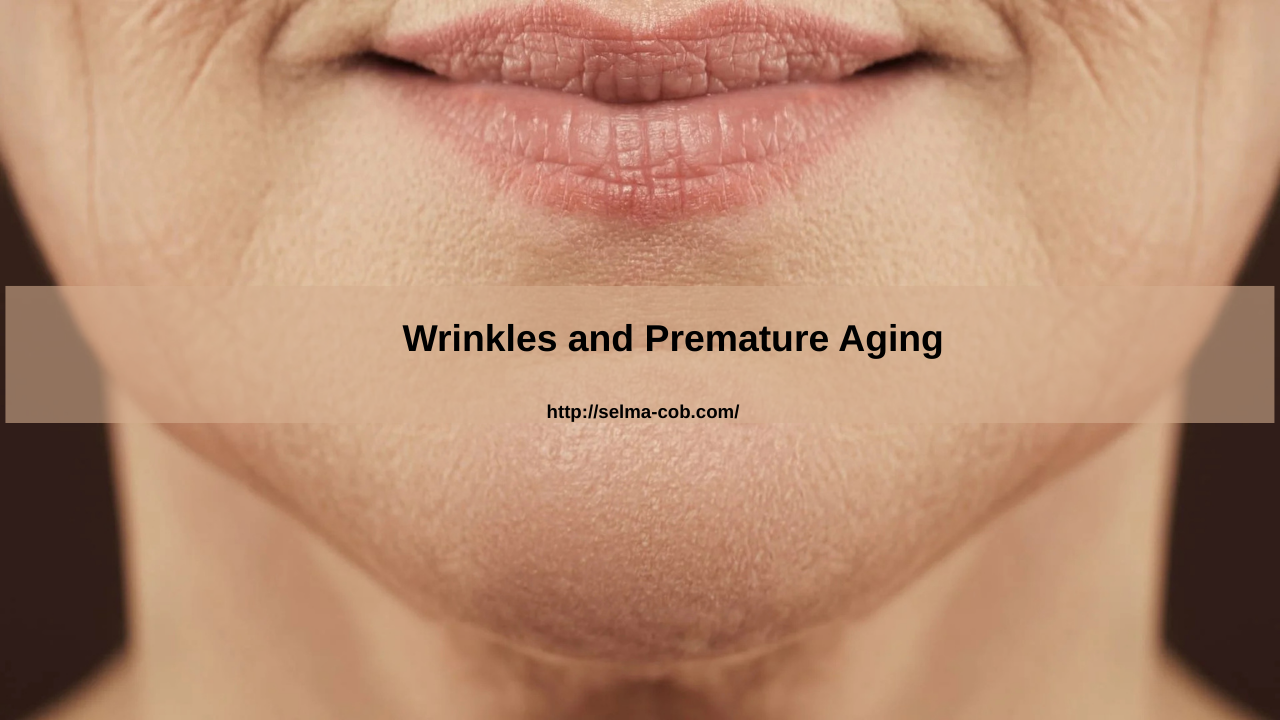
Substance abuse accelerates the natural aging process. Drugs and alcohol dehydrate the skin, reduce blood circulation, and break down collagen. This leads to wrinkles, fine lines, and sagging skin long before they would normally appear. Alcohol often causes facial redness and puffiness, while stimulants like methamphetamines contribute to skin sores and scarring. These changes can make individuals appear older than they truly are, robbing them of their natural vitality.


Weight Loss and Physical Decline

Stimulant Use and Rapid Weight Loss

Drugs such as cocaine and methamphetamines suppress appetite, causing rapid and unhealthy weight loss. This often results in a skeletal appearance, muscle loss, and weakened immunity.

Alcohol and Sedatives Causing Weight Gain

In contrast, alcohol and certain sedatives can contribute to bloating and significant weight gain. Excess calories, poor nutrition, and liver strain often leave the body looking and feeling fatigued. Both extremes signal internal imbalance and highlight how addiction disrupts overall health.


Wounds, Skin Damage, and Scarring

Skin is one of the clearest indicators of a person’s overall wellness. Substance use impairs the body’s ability to heal, leaving small cuts or blemishes vulnerable to infection. Methamphetamine use, for example, is notorious for causing users to pick at their skin, leading to open sores and permanent scars. Chronic alcohol use can cause persistent dryness and broken capillaries. Over time, these wounds become lasting reminders of the body’s struggle under addiction.


The Emotional Cost of Physical Changes

Physical decline does not happen in isolation. The visible toll of addiction often leads to feelings of embarrassment, shame, and lowered self-confidence. Many people withdraw from loved ones or avoid social interactions because they no longer recognize themselves in the mirror. At Selma COB, we believe that true recovery means addressing both the visible and invisible wounds of addiction. Healing appearance, health, and spirit together creates the foundation for long-term change.


Healing and Renewal Through Recovery

The encouraging truth is that many of the physical effects of addiction can improve with recovery. Rest, hydration, balanced nutrition, and medical care allow the body to repair itself. Skin regains elasticity, weight stabilizes, and wounds begin to heal. Just as importantly, mental health treatment and spiritual support restore confidence and dignity.

At Selma COB, our holistic, faith-based approach integrates inpatient and outpatient care, therapy, and individualized treatment. We focus on healing the whole person—body, mind, and spirit—so that recovery is not only about sobriety but about rediscovering health and self-worth.


Reclaiming Health and Beauty

Addiction may take a toll on appearance, but it does not define your future. With the right treatment and support, health, confidence, and natural beauty can return. If you or someone you love is struggling, now is the time to take the first step.

Contact Selma COB today and begin the journey toward renewal, healing, and lasting recovery.