Losing More Than Health: How Addiction Robs Your Looks

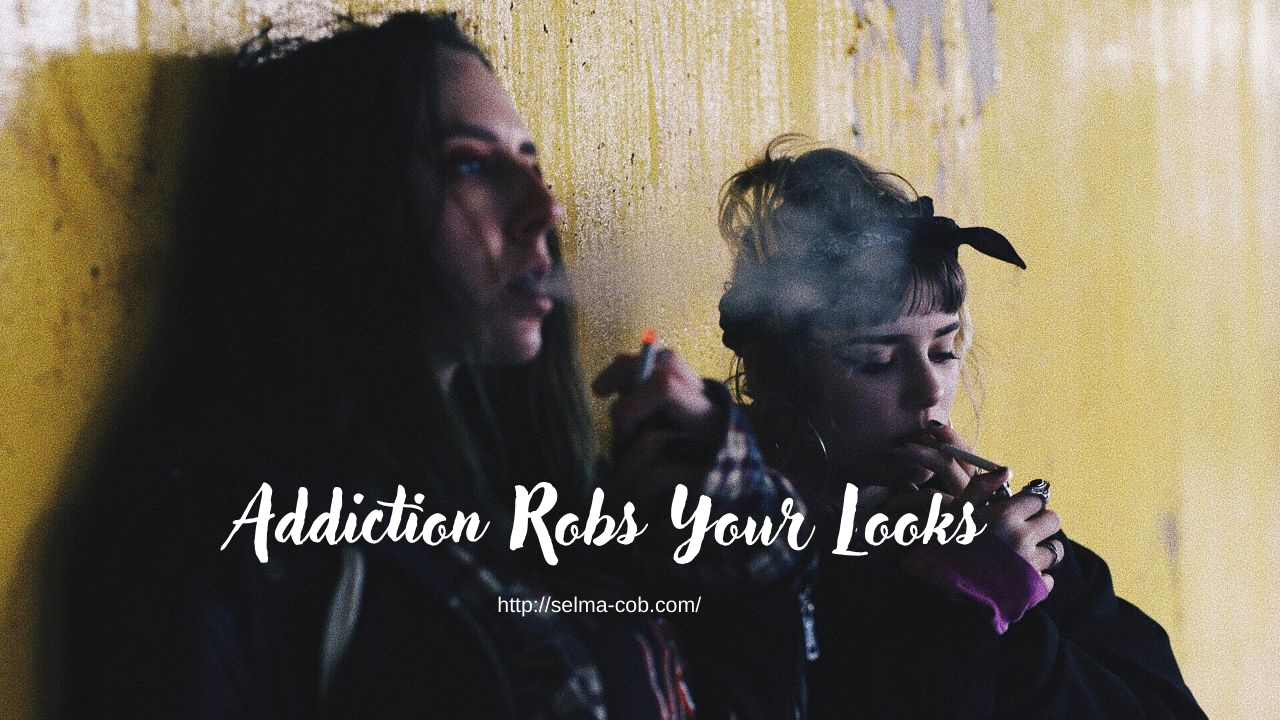
When we think of addiction, we often focus on the emotional, mental, and physical health consequences. Yet one of the most immediate and visible effects of substance abuse is the change it brings to a person’s appearance. Addiction can strip the skin of its glow, cause hair and nail deterioration, and even damage teeth, leaving individuals feeling self-conscious and isolated. At Selma COB, we understand that these physical changes are not just cosmetic—they reflect the deep strain addiction places on the body and mind. Our mission is to provide compassionate, individualized care that restores health, confidence, and dignity.


How Addiction Impacts Appearance

Skin and Facial Changes

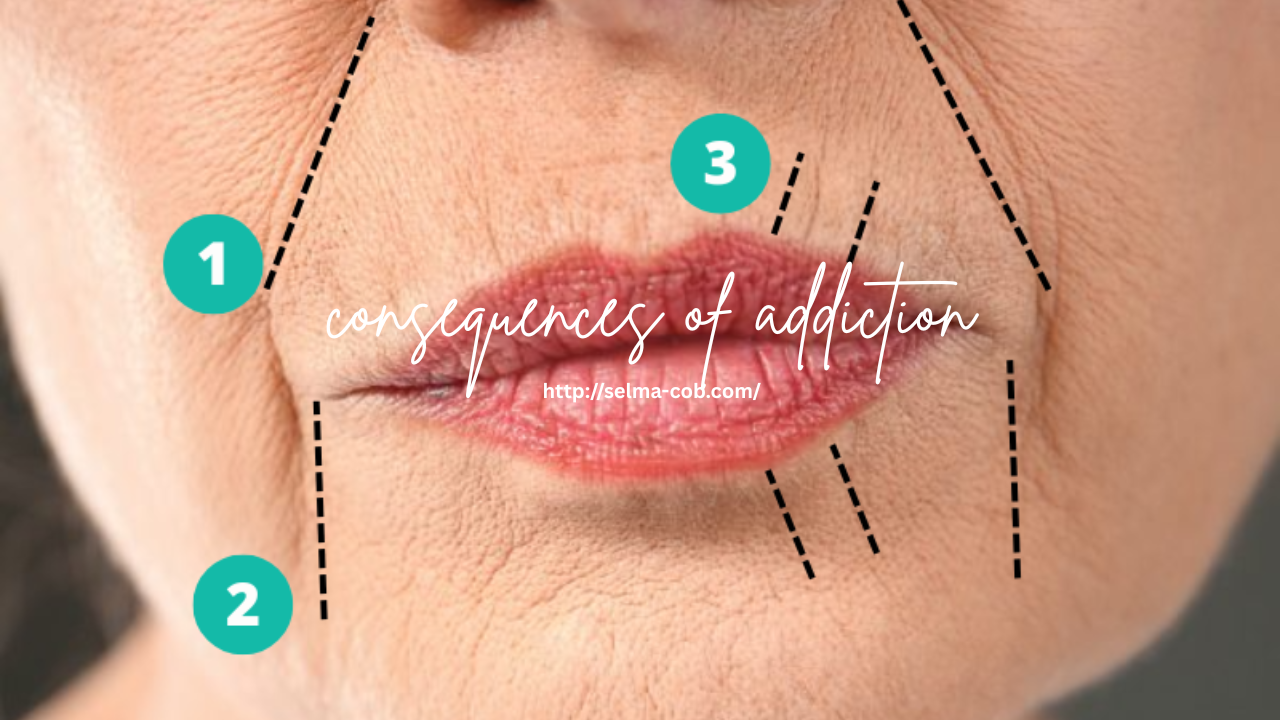
Drugs and alcohol interfere with hydration and nutrition, leaving the skin dull, dry, and more prone to premature aging. Stimulants such as methamphetamines and cocaine constrict blood vessels, reducing circulation and causing a sallow complexion. Alcohol abuse can result in redness, puffiness, and broken capillaries due to liver strain. Over time, collagen breaks down, creating wrinkles and sagging that make a person appear older than their years.

Eyes and Expression

The eyes often reflect the internal struggle of addiction before any other feature does. Chronic fatigue, dehydration, and poor nutrition can lead to dark circles, puffiness, and a dull or glassy appearance. The eyes may lose their natural vibrancy, signaling both the physical and emotional toll of substance use.

Hair, Nails, and Oral Health

Addiction disrupts nutrient absorption, causing brittle hair, thinning, and hair loss. Nails may weaken or develop discoloration, further indicating the body’s internal stress. Dental health is also significantly affected. Conditions like “meth mouth,” tooth decay, and gum disease can drastically alter facial structure and appearance. These changes impact self-esteem and social interactions, reinforcing the emotional burden of addiction.


The Emotional Toll of Physical Decline

Visible signs of addiction often deepen feelings of shame and isolation. Many individuals avoid social situations, stop caring for themselves, or withdraw from loved ones. This emotional impact can worsen the addiction cycle, making it harder to seek help. At Selma COB, we address both the physical and emotional aspects of recovery. Healing the body and mind simultaneously allows clients to regain confidence and rebuild self-worth.


Restoring Health and Appearance Through Recovery

The encouraging news is that recovery can reverse many of the physical effects of addiction. Proper nutrition, hydration, sleep, and medical care allow the skin, hair, and nails to recover over time. Dental care and oral rehabilitation can restore smiles, while therapy and holistic support rebuild self-esteem.

At Selma COB, our inpatient and outpatient programs offer personalized care that combines evidence-based treatment, holistic and faith-based approaches, and mental health support. By addressing the root causes of addiction and guiding clients through individualized recovery plans, we help individuals regain health, vitality, and appearance.


Take the First Step Toward Renewal

Addiction may have taken a toll on your looks, but it does not define who you are or who you can become. Recovery is possible, and it allows you to reclaim not only your health but also your confidence and sense of self. At Selma COB, we provide compassionate, professional support for every step of the journey.

Reach out today to begin your personalized recovery plan and rediscover the health, vitality, and dignity that addiction tried to take away.

The Erosion of Elegance: How Addiction Ages and Alters You

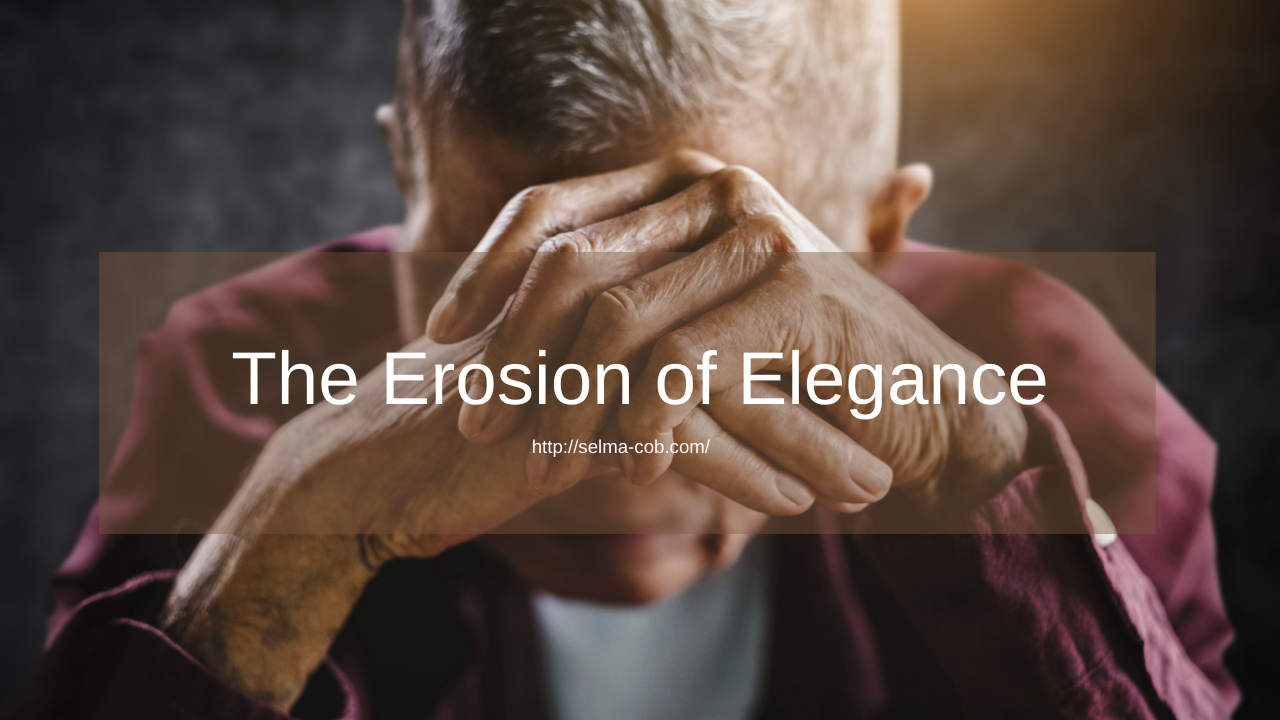
Addiction does not just affect the mind and spirit. It leaves visible marks on the body that reveal the toll substances take on overall health. Drugs and alcohol can strip away vitality, accelerate aging, and alter a person’s natural appearance in ways that often shock both the individual and their loved ones. At Selma COB, we believe that recovery is about more than breaking free from substance use. It is about restoring dignity, rebuilding health, and helping individuals rediscover the beauty of their true selves.


How Addiction Accelerates Aging

Skin and Complexion

One of the first places addiction shows itself is in the skin. Prolonged substance use depletes the body of hydration and nutrients, leading to dullness, wrinkles, and sagging. Alcohol often causes redness and broken blood vessels, while drugs like methamphetamines may create sores and scars. These changes make individuals appear older than they truly are, often robbing them of their natural glow.

Eyes and Facial Features

The eyes, often called the windows to the soul, become clouded by addiction. Bloodshot eyes, dark circles, and puffiness are common, reflecting exhaustion, poor sleep, and dehydration. Facial features may become gaunt due to weight loss or swollen from liver strain. Over time, these changes contribute to a prematurely aged and weary appearance.

Oral Health and Smile

Substance use frequently damages oral health. Dry mouth, neglected hygiene, and cravings for sugary foods contribute to tooth decay, gum disease, and even tooth loss. Because a smile plays a significant role in confidence and personal presence, these changes can deeply impact self-esteem and social interactions.


The Emotional Weight of Physical Changes

The visible impact of addiction can create an additional layer of pain. When someone looks in the mirror and no longer recognizes themselves, feelings of shame, embarrassment, or hopelessness often follow. These emotions can push individuals further into isolation and substance use, creating a harmful cycle. At Selma COB, we understand that treating addiction also means addressing the emotional wounds caused by these physical transformations.


Healing the Body and Spirit in Recovery

The good news is that many of the physical effects of addiction can be reversed or improved with the right treatment and support. Proper hydration, nutrition, rest, and medical care allow the body to recover, and with time, energy, and appearance often improve. Skin regains vitality, weight stabilizes, and confidence grows.

At Selma COB, our holistic, faith-based approach combines medical care, therapy, and personalized support. Whether through inpatient or outpatient care, we help clients heal from the inside out. Recovery means more than ending substance use. It is about restoring strength, self-worth, and the natural elegance that addiction once concealed.


Reclaiming Your True Reflection

Addiction may have altered your appearance, but it does not define who you are or who you can become. With compassionate care and the right support, it is possible to regain health, confidence, and a sense of wholeness.

If you or someone you love is struggling, Selma COB is here to help you take the first step toward renewal. Reach out today and begin the journey to healing, dignity, and lasting recovery.

Mirror, Mirror: The Unseen Beauty Damage of Addiction

When people picture the consequences of addiction, their thoughts often go straight to health crises, broken relationships, or financial struggles. Yet one of the most visible but often overlooked costs of drug and alcohol abuse is how it changes a person’s appearance. Addiction can rob the skin of its glow, the eyes of their brightness, and the smile of its warmth. These outward changes are not simply cosmetic. They reveal the deeper toll that substances take on the body, mind, and spirit. At Selma COB, we believe recovery means restoring health inside and out, helping individuals reclaim not only their wellness but also their confidence and dignity.


How Addiction Alters the Body’s Appearance

Skin and Complexion

Substance abuse disrupts hydration, circulation, and nutrition, often leading to dull, uneven, or prematurely aged skin. Drugs like methamphetamines and opioids can trigger breakouts, sores, or scars, while alcohol contributes to puffiness, redness, and broken capillaries. Over time, collagen breaks down, creating wrinkles and sagging that appear years earlier than expected.

Eyes and Facial Features

The eyes are among the first places where addiction shows itself. Bloodshot eyes, dark under-eye circles, and puffiness reflect the exhaustion and dehydration caused by substance use. The face may also appear gaunt due to weight loss, or bloated from liver strain and poor diet. These changes often make a person look older or less vibrant, even when they are still young.

Hair, Teeth, and Nails

Hair often becomes brittle and thin as the body struggles to absorb nutrients. Nails may weaken or develop discoloration, while oral health frequently declines due to neglect, cravings for sugar, and dry mouth caused by many substances. In severe cases, tooth decay and gum disease can drastically alter a person’s smile, which can further damage self-esteem.


The Emotional Impact of Visible Changes

Physical appearance plays a major role in how people feel about themselves. When addiction alters that appearance, individuals may experience shame, embarrassment, and isolation. They may avoid social interactions, withdraw from loved ones, or even give up on self-care. This cycle deepens the emotional weight of addiction and makes recovery seem even more difficult.

At Selma COB, we understand that healing is about more than ending substance use. It is also about restoring confidence, dignity, and a renewed sense of self.


Healing the Body and Restoring Confidence

The good news is that many of the physical effects of addiction can improve with the right treatment. As the body detoxifies, skin can regain its color, hair can strengthen, and energy can return. With proper nutrition, hydration, therapy, and holistic support, individuals often see not only a transformation in their health but also in how they look and feel.

Selma COB offers inpatient and outpatient programs that combine evidence-based therapies with faith-based and holistic approaches. By addressing the root causes of addiction and creating a personalized recovery plan, we help individuals heal from the inside out.


Take the First Step Toward Renewal

Addiction may have altered your reflection, but it does not define your future. The mirror may show the toll of the past, but recovery offers the chance to restore health, beauty, and hope. If you or a loved one is struggling, Selma COB is here to walk with you on a journey of healing and renewal.

Contact us today to begin your recovery and rediscover the reflection you were always meant to see.

Vanity’s Victim: The Physical Price of Substance Abuse

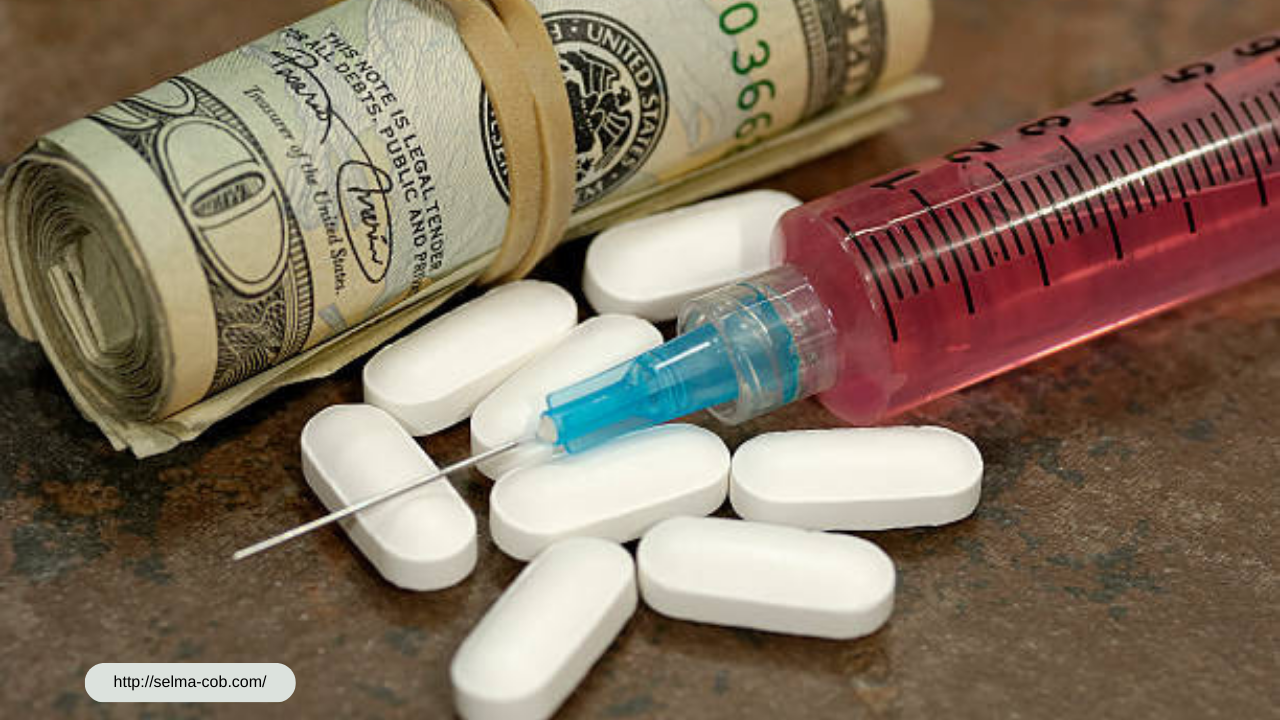
When people think about addiction, the focus often lands on the emotional, mental, and financial toll. Yet one of the most visible consequences of substance abuse is the transformation it forces on the body. The sparkle in the eyes fades, the skin loses its vitality, and once-healthy features can become almost unrecognizable. These changes are more than skin-deep. They tell the story of a body under siege, revealing the harsh reality of what drugs and alcohol can do over time.

At Selma COB, we understand that these physical signs can be a source of shame, isolation, and lowered self-worth. More importantly, we believe that with the right treatment, healing and restoration are always possible.


How Drugs and Alcohol Alter Appearance

Skin Damage and Premature Aging

Addiction deprives the body of essential nutrients and disrupts healthy circulation. This can lead to chronic dryness, an uneven skin tone, and the breakdown of collagen. Substances like methamphetamine and heroin accelerate skin aging, causing wrinkles, sagging, and a hollowed facial appearance years ahead of schedule. Alcohol often causes redness, puffiness, and visible blood vessels, particularly on the face.

Eye Changes: Tired and Lifeless

Eyes are often called the windows to the soul, and with substance abuse, those windows can quickly cloud. Bloodshot eyes, dark circles, and puffiness are common, caused by dehydration, liver strain, and lack of restorative sleep. Over time, the eyes may lose their natural brightness, reflecting the body’s internal struggle.

Hair Loss and Weakness

Poor nutrition, stress, and hormonal imbalances from addiction can slow hair growth and cause thinning. In some cases, hair may fall out in patches, leaving the scalp more visible and the person appearing older or more unwell than they actually are.

Dental Decline

Dry mouth, sugar cravings, and neglect of oral hygiene often lead to tooth decay and gum disease. Stimulants like meth are notorious for causing “meth mouth,” a rapid deterioration of dental health that results in broken, blackened, or missing teeth.


The Emotional Toll of Physical Changes

The outward changes caused by substance abuse can feed into feelings of shame, anxiety, and depression. Many people begin to withdraw socially, avoiding mirrors, cameras, or any setting where their appearance might be judged. At Selma COB, we address not just the addiction itself but also the emotional wounds that come from these visible changes.


Healing Is Possible

With comprehensive care, including medical support, nutrition planning, mental health therapy, and holistic approaches, much of the physical damage of addiction can be slowed or even reversed. Healthy skin can return, hair can regrow, and a bright smile can be restored. Most importantly, confidence and self-worth can be rebuilt.

At Selma COB, we offer inpatient and outpatient treatment programs, faith-based guidance, and individualized recovery plans that address the whole person. Our goal is not just sobriety but full restoration of health, inside and out.


Take the First Step

If you or someone you love is struggling, the journey back to health starts today. Every day without treatment allows addiction to take more from your body and your life. Contact Selma COB to begin a personalized recovery plan and reclaim your well-being and your reflection in the mirror.

From Beauty to Breakdown: How Drugs Ravage Your Appearance

Addiction can feel invisible at first. But over time the toll of drug and alcohol use becomes painfully clear: not only inside the body but in the face we present to the world. At Selma‑COB, we understand how deeply this physical transformation impacts self‑worth and identity. In this article, we explore how addiction steals beauty, erodes health, and alters appearance—and why recovery is both life‑restoring and face‑reclaiming.

How Substance Use Damages Appearance

1. Dehydration, Skin Aging, and Texture Changes

Drugs and alcohol are powerful dehydrators. They strip the skin of moisture and hinder collagen and elastin production. As a result, fine lines deepen, elasticity weakens, and the complexion loses its glow. Stimulants like methamphetamine and cocaine tighten blood vessels, reducing oxygen and nutrient flow to skin, which can lead to pallor, dullness, and premature wrinkles.

2. Acne, Scratches, and Scarring

Some substances trigger formication—hallucinations of bugs crawling on or under the skin. This often leads to compulsive skin picking, open sores, and infections that can leave permanent scars. Inpatient and outpatient clients at our center frequently describe how these visible wounds become painful reminders of addiction.

3. Eyes That Tell the Story

The eyes often reflect trauma before any other facial feature does. Chronic red or glassy eyes, dark circles, premature crow’s feet, or sunken sockets are common in individuals struggling with substance use. These changes are often compounded by insomnia, poor nutrition, and the stress that accompanies addiction.

4. Hair and Nail Deterioration

Drug and alcohol abuse often disrupt nutrient absorption, creating deficiencies in iron, zinc, and vitamins A, C, and E. Hair becomes brittle, falls out, or thins noticeably. Fingernails may show ridges or discoloration. These signs are subtle but visible indicators of systemic neglect.

5. Tooth Decay and the “Meth Mouth” Effect

Oral health suffers greatly under addiction. Conditions like “meth mouth”—marked by severe decay, gum disease, and tooth loss—are caused by dry mouth, acidic substances, and poor dental hygiene. Even alcohol abuse can weaken the immune system, reduce saliva, and lead to gum inflammation or cavities. When teeth decay or fall out, facial structure shifts, cheeks sink, and the jawline softens, further aging the appearance.

Why Selma‑COB’s Approach Makes a Difference

Holistic and Faith‑Based Care Tailored to You

Selma‑COB provides individualized treatment rooted in holistic and faith‑based principles. We believe healing must address body, mind, and spirit. That means nutritional support, spiritual guidance, therapy, and recovery planning—all tailored to each client’s needs.

Inpatient and Outpatient Support

Whether you need the structure of inpatient care or the flexibility of outpatient programming, our services allow you to rebuild at your own pace. Clients receive comprehensive assessments, trauma therapy, cognitive behavioral therapy, relapse prevention, motivational interviewing, life skills, and more.

Mental Health Focus and Dual Diagnosis Expertise

Addiction often overlaps with mental health disorders. Selma‑COB integrates mental health treatment—offering individual, group, trauma‑informed, couples, and family therapy—to help clients fully address the root causes of substance use.

Nutrition Therapy to Rebuild from Within

Nutrition plays a key role in restoring appearance. Our clients participate in nutrition therapy that addresses deficiencies, rebuilds skin and hair health, and supports balanced mood and energy through proper food choices.

Recovery Is Re‑Emergence—Inside and Out

Addiction doesn’t just break the body; it erases the person you once recognized in the mirror. Yet recovery offers more than sobriety—it offers restoration. As physical health returns, skin regains tone, hair strengthens, oral recovery begins, and the eyes reflect hope again. Selma‑COB has helped countless individuals reclaim not only their lives but their looks and confidence.

Conclusion: You Deserve Healing—Every Layer of It

Seeing the effects of addiction on your appearance can be painful, but that pain often becomes a catalyst for change. If you are concerned about how drugs or alcohol have affected your body or your identity, know that help is available. At Selma‑COB, we offer compassionate, expert support designed to heal you in every dimension.

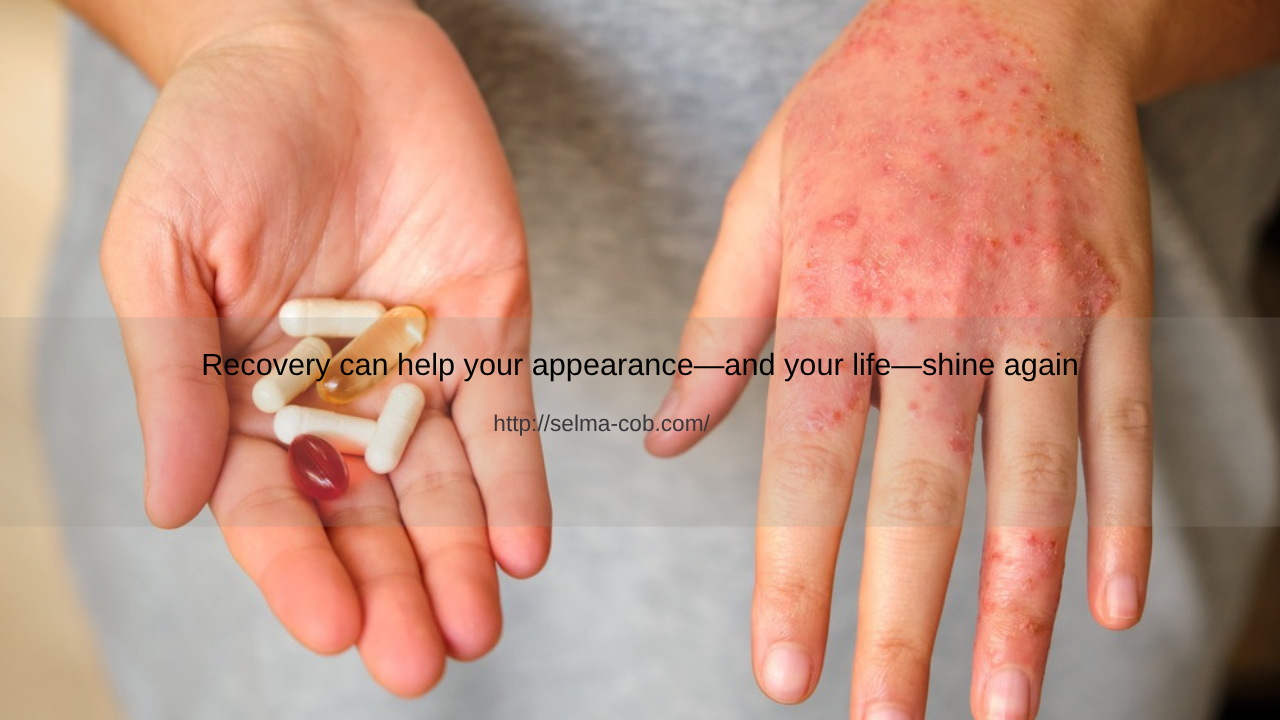
Reach out today. Our caring team will listen, guide, and walk beside you on a path from beauty lost to beauty reclaimed. You do not have to face this alone. Recovery can help your appearance—and your life—shine again.

Beauty Fades Faster: The Silent Aesthetic Costs of Addiction

Addiction is often discussed in terms of its health, legal, and social consequences, but one of the most overlooked costs is how it impacts physical appearance. The aesthetic toll of substance abuse is both profound and rapid. For many, the journey from vibrant health to physical decline happens so subtly that it’s only in hindsight—or in stark before-and-after photos—that the changes become clear. From skin and hair deterioration to dental damage and premature aging, addiction silently erodes a person’s natural beauty.

The Skin: First to Show the Damage

The skin is often the first to bear the brunt of substance abuse. Drugs and alcohol strip the body of hydration and essential nutrients, leaving the skin dry, dull, and more prone to wrinkles. Collagen and elastin, the proteins responsible for keeping skin firm and youthful, break down faster in individuals struggling with addiction. As a result, fine lines and sagging appear prematurely.

Substances like methamphetamine and cocaine constrict blood vessels, reducing oxygen and nutrient supply to the skin. This leads to a grayish or pale complexion, along with dark circles under the eyes. Additionally, methamphetamine users often pick at their skin due to hallucinations, causing sores and permanent scarring. Alcohol abusers may develop facial redness, broken capillaries, and puffiness—visible signs of liver stress and blood vessel damage.

Hair and Nails: Signs of Neglect and Malnutrition

Addiction disrupts the body’s natural processes, including hair and nail growth. Stimulants and alcohol suppress appetite, leading to nutritional deficiencies that weaken hair and nails. Hair becomes dry, brittle, and thin, while nails may become discolored, weak, or ridged. In some cases, prolonged substance abuse leads to significant hair loss, which can age a person dramatically and impact their self-esteem.

The Eyes: Windows to Decline

The eyes are often described as the windows to the soul, but they also reveal the harsh effects of addiction. Bloodshot or glassy eyes, dilated or pinpoint pupils, and heavy eyelids become common among substance users. The natural sparkle of healthy eyes is replaced with a dull, lifeless gaze. Sleep deprivation, common in those battling addiction, also leads to puffiness and dark circles, further contributing to a tired and aged appearance.

Dental Destruction: The Smile Suffers

A healthy smile is one of the most visible markers of beauty and vitality. Unfortunately, many substances wreak havoc on oral health. Methamphetamine, in particular, leads to “meth mouth”—severe tooth decay, gum disease, and tooth loss. Alcohol and opioids reduce saliva production, increasing the risk of cavities and infections. Poor hygiene, cravings for sugary foods, and neglect of dental care all accelerate the deterioration of teeth and gums, permanently altering facial appearance.

Conclusion

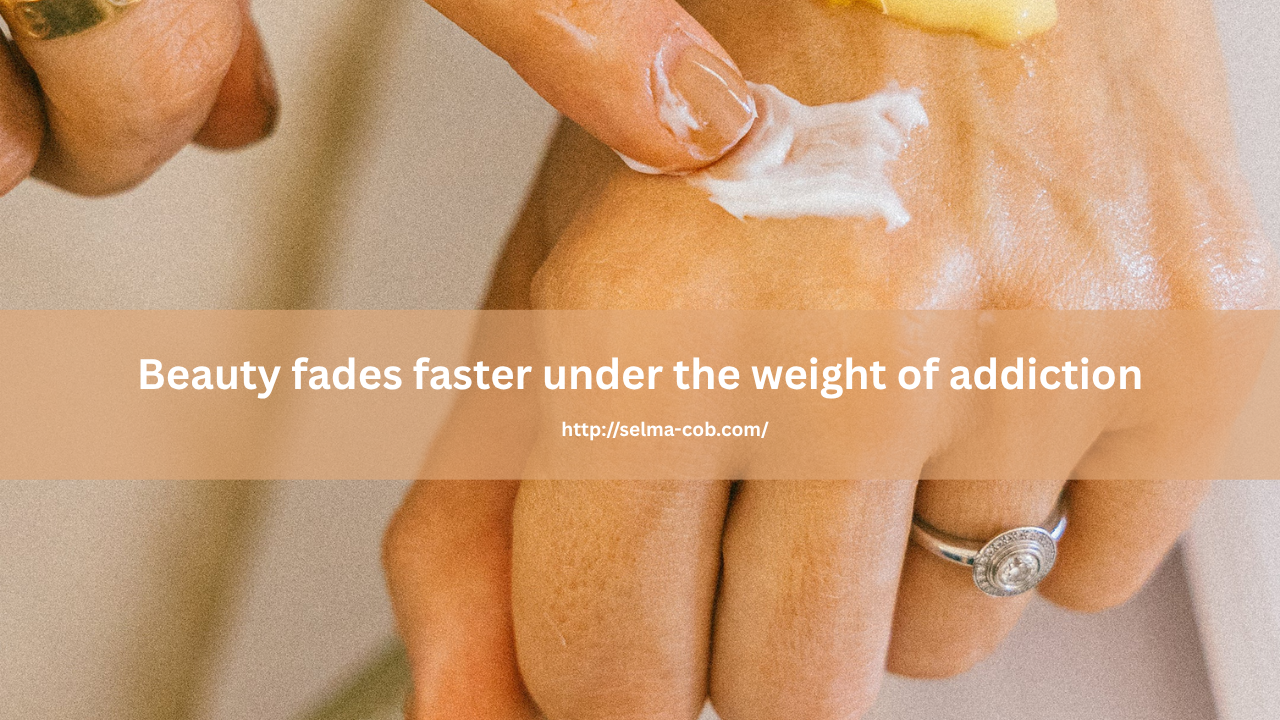
Beauty fades faster under the weight of addiction. The silent, aesthetic costs are not just cosmetic—they are physical reminders of the deeper damage happening inside the body. Recognizing these signs can serve as a wake-up call, encouraging individuals to seek help before the decline becomes irreversible. Recovery offers hope—not only for health and life but also for the restoration of one’s natural beauty and confidence.

Beyond the Buzz: The Devastating Effects of Substance Abuse on Your Hair, Skin, and Teeth

Substance abuse often begins with the lure of a buzz, a temporary escape from reality, or a perceived enhancement of life. But behind the high lies a harsh and often overlooked truth: drugs and alcohol can wreak havoc on your appearance. Hair loss, skin problems, and dental decay are not just cosmetic concerns—they are visible symptoms of a body in crisis. Understanding these effects can be a powerful motivator to seek help and begin the journey toward recovery.

Hair: From Lush to Lifeless

One of the first casualties of substance abuse is hair health. Drug and alcohol use disrupt the body’s hormonal balance and nutrient absorption, both of which are crucial for hair growth. Deficiencies in iron, zinc, protein, and essential vitamins can lead to brittle, thinning hair or even bald patches.

Stimulants like methamphetamine and cocaine put the body under intense stress, pushing hair follicles into a resting phase and leading to increased shedding. Chronic alcohol consumption affects liver function, which in turn impairs the body’s ability to metabolize nutrients necessary for healthy hair. Over time, users may notice dullness, breakage, and a noticeable loss of volume.

Skin: The Mirror of Internal Damage

The skin is often referred to as the body’s mirror, reflecting internal health. For individuals struggling with addiction, this reflection is often marred by damage. Dehydration, poor circulation, and toxin buildup result in dry, flaky, and sagging skin. The natural glow of health fades, replaced by a dull, aged appearance.

Drugs like meth and heroin cause intense itching and hallucinations that lead users to scratch or pick at their skin, resulting in sores, infections, and permanent scars. Acne outbreaks are common, and healing is slowed due to weakened immunity. Alcohol dilates blood vessels, causing facial flushing and broken capillaries, particularly on the cheeks and nose. Over time, these changes can become permanent, leaving the skin blotchy and inflamed.

Teeth: Smiles Lost to Decay

Dental health suffers dramatically under the influence of drugs and alcohol. Methamphetamine is especially damaging, causing a condition known as “meth mouth”—characterized by blackened, rotting, or missing teeth. The drug’s acidity, combined with dry mouth, poor hygiene, and teeth grinding, accelerates dental destruction.

Alcohol also contributes to tooth and gum issues. It dries out the mouth, encourages sugar cravings, and promotes bacterial growth, leading to tooth decay and gum disease. Smoking or using tobacco products alongside other substances intensifies these effects. The loss of a healthy smile can profoundly impact self-esteem and social interactions.

Conclusion

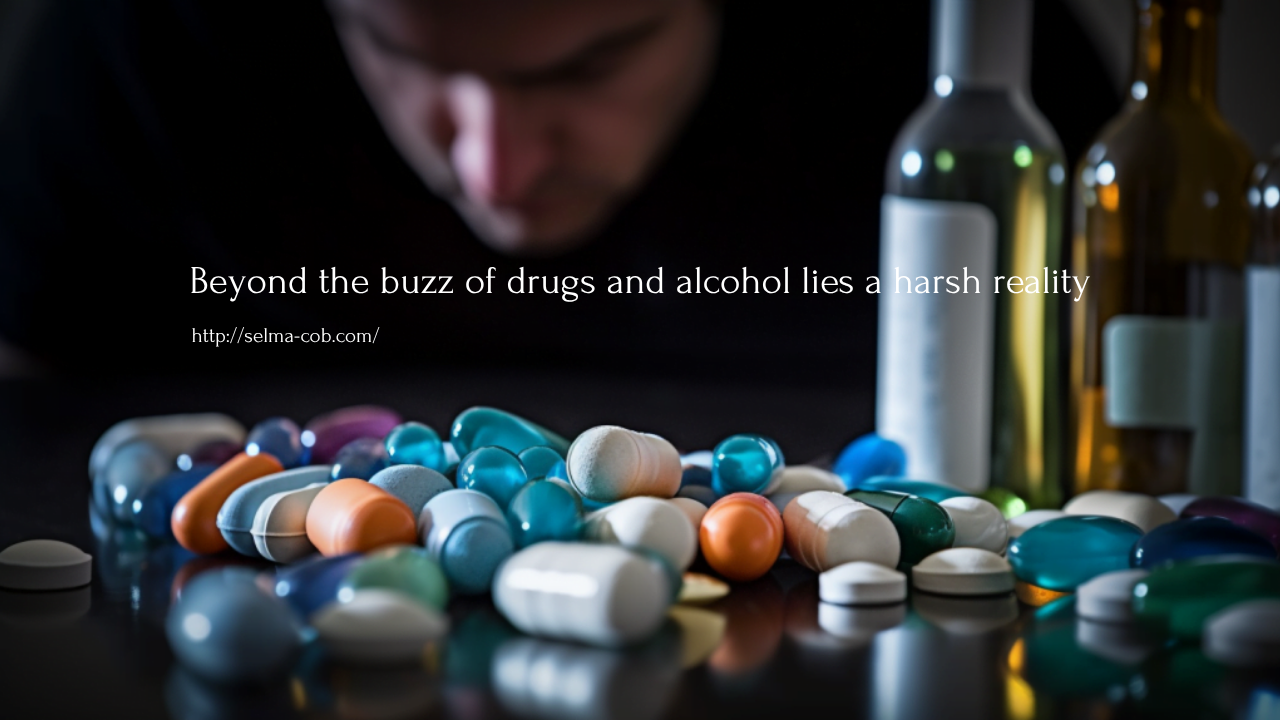
Beyond the buzz of drugs and alcohol lies a harsh reality: the visible and often irreversible damage to hair, skin, and teeth. These external signs are a reflection of internal distress and can serve as a wake-up call for those in the grip of addiction. The good news is that recovery can bring not only improved health but also restored appearance and confidence. With proper care, nutrition, and sobriety, it is possible to reverse much of the damage and rediscover the vitality that addiction tried to steal.

Tailoring Treatment for Men: Innovative Approaches in Addiction Recovery

Addiction affects people of all genders, but the experiences, needs, and recovery paths of men can be distinctly different. Biological factors, cultural expectations, emotional conditioning, and social roles all play a role in how men experience addiction—and how they respond to treatment. As awareness grows, more recovery programs are adopting innovative, male-centered approaches to better serve men on their journey to sobriety. Tailoring treatment for men not only improves outcomes, but also addresses the unique barriers that often keep them from seeking or staying in recovery.

Why Men Need Tailored Treatment

Traditionally, addiction treatment followed a one-size-fits-all approach. But this method often overlooks the specific ways men process emotions, communicate, and experience addiction. Men are more likely to suppress emotional pain, avoid therapy due to stigma, and use substances to manage stress or anger. They may also struggle with societal pressures to appear strong, independent, and in control—traits that can hinder their willingness to seek help.

Addressing these issues requires a thoughtful, gender-specific approach. By creating programs that resonate with men’s needs and communication styles, treatment providers can break through resistance and help men feel more comfortable, understood, and motivated to heal.

Innovative Approaches in Men’s Addiction Recovery

1. Male-Only Treatment Programs

All-male treatment environments allow men to speak openly without fear of judgment. These programs create safe spaces where men can share emotional struggles, discuss gender-specific challenges, and build camaraderie through shared experiences. The sense of brotherhood often becomes a crucial pillar of long-term recovery.

2. Trauma-Informed Care for Men

Many men battling addiction have unresolved trauma—often from childhood abuse, violence, or emotional neglect. Trauma-informed care helps men recognize and process these experiences in a way that feels safe and empowering. Specialized approaches like EMDR (Eye Movement Desensitization and Reprocessing) and somatic therapies are particularly effective in helping men reconnect with buried emotions.

3. Experiential and Active Therapies

Men often respond well to hands-on, physical, or goal-oriented activities that integrate movement and learning. Adventure therapy, wilderness programs, team-building challenges, and expressive arts provide alternative ways to engage with recovery and develop healthy coping mechanisms. These activities foster self-confidence, stress relief, and emotional release in non-traditional ways.

4. Mental Health Integration

Since many men use substances to cope with underlying mental health issues, addressing co-occurring disorders is vital. Depression, anxiety, and PTSD are common in men with addiction and require integrated treatment plans that include psychiatric support, medication management, and behavioral therapy.

5. Life Skills and Purpose-Focused Therapy

Helping men develop life skills—such as parenting, employment readiness, and relationship building—strengthens their ability to thrive post-treatment. Recovery programs that incorporate goal-setting, leadership training, and vocational support help men reclaim their identity and purpose beyond addiction.

Conclusion

Addiction recovery is not just about stopping substance use—it’s about rebuilding a man’s life with dignity, connection, and purpose. By tailoring treatment to address men’s unique emotional and psychological needs, and by integrating innovative, gender-responsive strategies, recovery programs can offer more effective, meaningful, and lasting results. When men feel seen, heard, and supported, true transformation becomes possible.

The Face of Addiction: How Drugs and Alcohol Alter Your Features

Substance abuse not only affects the brain and internal organs but also causes dramatic and often shocking changes to a person’s appearance. Over time, drugs and alcohol take a visible toll, leaving their mark on the skin, hair, eyes, and facial structure. These changes can be deeply stigmatizing and emotionally distressing, serving as constant reminders of the damage addiction inflicts.

Facial Structure and Skin Damage

Addiction dramatically alters the skin and facial structure. Dehydration, malnutrition, and the toxic effects of substances cause the skin to lose its elasticity and natural glow. Collagen and elastin, proteins essential for skin firmness, break down more quickly, leading to premature wrinkles, sagging, and an overall aged appearance.

Methamphetamine and cocaine, in particular, constrict blood vessels, reducing blood flow and oxygen supply to the skin. This results in a dull, ashen complexion. The constant stress and sleep deprivation associated with addiction exacerbate these issues, leading to deep-set lines, bags under the eyes, and a haggard look.

Eyes and Expression

The eyes often reveal the first signs of substance abuse. Redness, glassiness, and dark circles are common, caused by liver strain, fatigue, and poor circulation. Over time, the sparkle of life in the eyes fades, replaced by a tired, vacant stare. Bloodshot or yellowed eyes further contribute to an unhealthy and aged appearance.

Facial expressions also change. The emotional toll of addiction—marked by depression, anxiety, or irritability—alters how a person holds their face. Frowns, furrowed brows, and tension in the jaw become more common, reinforcing the worn-down look.

Hair Loss and Skin Infections

Poor nutrition and hormonal imbalance caused by addiction can lead to thinning hair or even bald patches. Drug use interferes with the body’s ability to absorb essential nutrients like iron, zinc, and protein, all of which are critical for hair health. Chronic stress and sleep deprivation accelerate hair shedding.

Skin picking is another visible side effect, especially among users of methamphetamine or cocaine, who may experience tactile hallucinations. This compulsive behavior causes wounds, infections, and scarring. Acne and rashes also develop due to toxins being excreted through the skin.

Oral Health and Facial Deformities

Dental decay is one of the most noticeable effects of drug abuse. Methamphetamine users often develop “meth mouth,” characterized by rotting, discolored, or missing teeth. Alcoholics and opioid users may suffer from gum disease, bad breath, and weakened enamel due to dry mouth and poor hygiene. Missing teeth change facial contours, causing the cheeks to sink and the jawline to sag, further aging the appearance.

Conclusion

The face of addiction tells a story of decline that can be both painful and motivating. From sagging skin to tooth decay and hollow eyes, the physical changes reflect the internal chaos caused by substance abuse. However, recovery is possible. With proper treatment, nutrition, and self-care, many of these changes can be improved or even reversed. Reclaiming one’s health and appearance is a powerful step on the path to healing.

Wrinkles, Scars, and Tooth Decay: The Beauty Price of Addiction

Addiction doesn’t just harm your internal organs and mental state—it leaves a lasting imprint on your outward appearance. The effects of substance abuse often show up on the skin, in the teeth, and across the body, telling a visual story of decline and distress. Wrinkles, scars, and tooth decay are among the most visible—and most stigmatizing—consequences of addiction. Understanding the toll addiction takes on physical beauty is an important step in recognizing the full scope of its damage.

Wrinkles: The Fast Track to Premature Aging

One of the first and most noticeable changes brought on by substance abuse is the acceleration of the aging process. Drugs and alcohol dehydrate the body and rob the skin of vital nutrients like collagen and elastin. These proteins are responsible for keeping skin firm, smooth, and youthful. When they break down prematurely, wrinkles and fine lines begin to appear—often much earlier than expected.

Stimulants such as cocaine and methamphetamine exacerbate this problem by tightening blood vessels and reducing circulation. With less oxygen and nutrient-rich blood reaching the skin, the process of aging speeds up dramatically. Chronic drinkers may also notice sagging skin, puffiness, and under-eye bags, all of which contribute to a worn-out, tired look.

Scars: A Permanent Reminder of Addiction’s Reach

Scarring is another common issue, especially for those using methamphetamine or heroin. These substances often lead to intense itching or hallucinations that prompt users to scratch or pick at their skin. The repeated trauma causes open wounds, which can become infected and lead to long-term scarring.

Beyond self-inflicted damage, intravenous drug use can result in abscesses and track marks, which leave behind visible scars. These marks often serve as a telltale sign of addiction, making it difficult for recovering users to shed the visual stigma of their past.

Tooth Decay: A Smile Destroyed

Tooth decay is perhaps one of the most striking and irreversible consequences of addiction. “Meth mouth”—a term commonly used to describe the severe dental damage in methamphetamine users—includes blackened, rotting, or missing teeth. The condition is caused by a combination of dry mouth, poor dental hygiene, teeth grinding, and the highly acidic nature of the drug itself.

Alcohol and other drugs also contribute to oral health issues by decreasing saliva production, increasing sugar cravings, and compromising the immune system. These factors accelerate tooth decay and gum disease, leading to chronic pain, tooth loss, and a drastically altered smile.

Conclusion

Wrinkles, scars, and tooth decay are more than just cosmetic issues—they are painful, visible reminders of the price of addiction. The changes can be so severe that they alter a person’s entire appearance, impacting self-esteem and social interactions. Yet, there is hope. With recovery, proper healthcare, and time, many of these effects can be managed or even reversed. By facing the beauty cost of addiction, individuals may find greater motivation to seek help and begin the journey toward healing—inside and out.