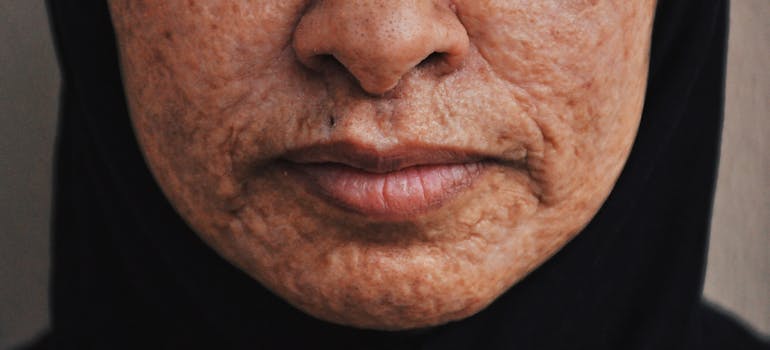
The Haggard Face of Substance Abuse: Spotting the Signs Before They Escalate

Addiction often leaves its mark long before individuals seek help. The haggard face associated with substance abuse is more than physical fatigue or neglect. It is a visible signal of deeper struggles, including mental health challenges, emotional strain, and disrupted daily functioning. Recognizing these early signs can make a critical difference, allowing individuals and their loved ones to intervene before substance use escalates into more severe consequences.

Understanding the Haggard Face

The term “haggard face” refers to an appearance that reflects prolonged stress on the body and mind. It can include physical signs like sunken eyes, poor skin tone, weight changes, and chronic fatigue. While these are often the most noticeable indicators, they represent the tip of the iceberg. Addiction impacts emotional well-being, mental health, and personal relationships, which may not be immediately visible.

Physical Signs to Watch For

Early recognition of substance abuse begins with observing changes in physical health:

  • Unexplained weight changes: Rapid loss or gain may indicate substance-related disruptions in metabolism or appetite.
  • Persistent fatigue: Sleep disruption and poor nutrition can leave individuals appearing constantly tired.
  • Skin and hair changes: Dull skin, hair thinning, or poor hygiene can signal long-term physical neglect.
  • Dental issues: Chronic substance use often leads to decay or gum problems, a visible warning sign of internal stress.

These physical cues are often accompanied by subtle behavioral and emotional changes that provide further context.

Behavioral and Emotional Indicators

Addiction rarely affects the body alone. Behavioral changes often accompany physical signs and can serve as early warnings:

  • Withdrawal from family, friends, or social activities
  • Sudden mood swings, irritability, or anxiety
  • Neglect of responsibilities at work, school, or home
  • Increased secrecy about routines, finances, or whereabouts
  • Reduced motivation or disinterest in previously enjoyed activities

These patterns suggest that underlying mental health challenges may be present, such as depression, anxiety, or unresolved trauma.

The Importance of Early Intervention

Spotting the haggard face of substance abuse before it escalates is crucial. Early intervention can prevent long-term health complications, safeguard relationships, and reduce the intensity of withdrawal and recovery. Professional support ensures that both the physical and mental aspects of addiction are addressed, promoting sustainable healing.

Comprehensive Treatment Approaches

Effective recovery integrates multiple levels of care:

  • Inpatient programs provide structured support, including medical supervision, therapy, and a safe environment to begin recovery.
  • Outpatient programs allow individuals to continue daily routines while attending therapy, support groups, and clinical check-ins.

Holistic approaches complement these programs, addressing the mind, body, and spirit through mindfulness practices, nutritional guidance, exercise, and creative therapies. Faith-based support can also provide spiritual guidance and community, reinforcing hope and resilience.

Personalized Care for Lasting Recovery

No two recovery journeys are the same. Individualized treatment plans take into account personal history, mental health needs, and lifestyle. Cognitive behavioral therapy, family counseling, and group support help individuals rebuild coping skills, strengthen relationships, and achieve long-term emotional stability.

Taking the Next Step

The haggard face of substance abuse is a signal, not a final outcome. Recognizing the early signs is a compassionate act that can save lives and restore hope. Recovery is possible with professional guidance, personalized treatment, and a holistic approach that addresses the whole person.

If you or a loved one are showing early signs of substance abuse, reaching out for help today can set the foundation for lasting change. Expert support, comprehensive care, and compassionate guidance can transform lives, helping individuals reclaim health, well-being, and hope for the future.

Healing the Haggard Face of Addiction: Integrating Mental Health and Recovery for Lasting Change

Addiction can leave visible and invisible scars. The haggard face often associated with substance abuse is more than a reflection of physical exhaustion. It signals emotional pain, mental health challenges, and a life disrupted by dependency. Healing requires more than addressing substance use alone. By integrating mental health support with addiction recovery services, individuals can restore their health, rebuild relationships, and achieve lasting change.

Understanding the Haggard Face of Addiction

The haggard appearance seen in people struggling with addiction is often the result of prolonged stress on the body and mind. Poor sleep, inadequate nutrition, and neglect of self-care are common physical manifestations. These signs are often accompanied by emotional and mental strain, including anxiety, depression, and trauma-related responses. Recognizing both the physical and psychological aspects of addiction is crucial for effective intervention and recovery.

Physical Signs of Substance Abuse

Substance use impacts the body in many ways:

  • Weight fluctuations: Stimulants may suppress appetite while alcohol or opioids can lead to weight gain or loss.
  • Fatigue and low energy: Chronic substance use disrupts sleep and leaves the body constantly taxed.
  • Skin and hair changes: Dehydration, poor nutrition, and lack of rest can cause dull skin and brittle hair.
  • Dental issues: Substance abuse often accelerates dental decay and gum disease.

These physical changes are indicators that the body is under stress and that recovery is needed.

Emotional and Mental Health Impacts

Addiction rarely exists without accompanying mental health challenges. Anxiety, depression, and trauma often contribute to substance use, and prolonged abuse intensifies these conditions. Emotional exhaustion, mood swings, and withdrawal from relationships are common. Effective recovery addresses both substance use and underlying mental health concerns, recognizing that lasting change requires healing of the whole person.

Integrating Mental Health Support with Addiction Recovery

Comprehensive care for addiction combines medical, psychological, and emotional support. Integrating mental health treatment into recovery programs strengthens resilience, reduces relapse risk, and promotes holistic healing.

Inpatient and Outpatient Recovery Programs

Treatment options are designed to match individual needs:

  • Inpatient programs provide a structured, supportive environment with round-the-clock care, helping individuals navigate early recovery safely.
  • Outpatient programs allow patients to maintain daily routines while attending therapy, support groups, and clinical check-ins.

Both approaches ensure a foundation for long-term recovery, addressing substance use while supporting mental health.

Holistic and Faith-Based Approaches

Healing extends beyond traditional therapy. Holistic treatments, including mindfulness, exercise, nutrition, and creative expression, nurture both body and mind. Faith-based care offers spiritual guidance and community, reinforcing purpose and resilience during recovery. Together, these approaches address multiple facets of wellness and contribute to lasting transformation.

Personalized Treatment Plans

No two recovery journeys are the same. Individualized care plans are essential for effective treatment. They incorporate cognitive behavioral therapy, group counseling, and family support services to rebuild coping skills, confidence, and emotional stability. Personalized strategies ensure that each individual receives the right balance of support, structure, and guidance for lasting change.

Taking the First Step Toward Recovery

The haggard face of addiction is a signal, not a verdict. It is a call for compassionate intervention and professional support. Recovery is possible when mental health care is integrated with addiction treatment, addressing both the visible and hidden impacts of substance abuse.

If you or a loved one are struggling, reaching out for help is the first step toward healing. Professional care, personalized treatment, and holistic support can guide individuals from exhaustion and despair to renewed health, restored relationships, and lasting hope.

Beyond the Haggard Face: Recognizing the Early Signs of Substance Abuse Before It’s Too Late

Substance abuse rarely happens overnight. Often, the earliest signs are subtle, showing up in small changes in appearance, behavior, and emotional well-being. Recognizing these early warning signals can make a profound difference, allowing individuals and their loved ones to seek help before addiction takes a deeper hold. Beyond the haggard face—the visible fatigue, weight changes, or neglect of personal care—lies a host of hidden struggles that signal the need for compassionate intervention and professional support.

Understanding the Early Signs of Substance Abuse

Addiction affects the body, mind, and spirit. While the haggard face is one of the most visible indicators, early signs often include patterns of behavior, emotional shifts, and physical changes that may be less obvious but equally concerning.

Physical Indicators

Changes in physical appearance can be the first clues that someone is struggling:

  • Unexplained weight loss or gain
  • Bloodshot or glassy eyes
  • Dull or unhealthy skin
  • Frequent illness or slow healing
  • Fatigue that appears disproportionate to activity levels

These symptoms often reflect the body’s struggle to cope with the effects of substances, poor nutrition, and disrupted sleep cycles.

Behavioral and Emotional Clues

Substance abuse frequently shows up in behavior before it becomes physically apparent. Key early warning signs include:

  • Withdrawal from social activities or family interactions
  • Sudden mood swings, irritability, or unexplained anxiety
  • Neglect of personal hygiene and responsibilities
  • Secrecy about activities, finances, or whereabouts
  • Reduced motivation or a decline in work or school performance

These behavioral changes can be just as telling as physical symptoms, signaling that emotional and mental health are being compromised.

Mental Health Considerations

Addiction and mental health challenges are closely linked. Anxiety, depression, trauma, and stress often contribute to the development of substance use issues. Left untreated, these underlying conditions can accelerate dependency and make recovery more complex. Recognizing early emotional distress alongside physical symptoms is critical for timely intervention.

Taking Action: The Importance of Early Intervention

Identifying early signs of substance abuse is the first step toward preventing long-term harm. Early intervention can dramatically improve outcomes by reducing the severity of physical health issues, protecting relationships, and addressing mental health concerns before they escalate.

Inpatient and Outpatient Treatment Options

Professional care provides structured support and accountability:

  • Inpatient programs offer a safe, controlled environment with round-the-clock medical and emotional care, ideal for those in the early stages of intensive recovery.
  • Outpatient programs provide flexibility, allowing individuals to maintain daily routines while participating in therapy, support groups, and medical monitoring.

Both options prioritize stabilization, coping skills, and long-term recovery strategies.

Holistic and Faith-Based Approaches

Healing is most effective when it treats the whole person. Holistic therapies such as mindfulness, nutrition guidance, exercise, and creative expression support both physical and emotional health. Faith-based approaches provide spiritual guidance, community, and a sense of purpose, offering additional resilience during the recovery journey.

Individualized Treatment Plans

No two journeys are identical. Personalized care ensures that therapy addresses each individual’s specific history, mental health needs, and lifestyle. Techniques such as cognitive behavioral therapy, family counseling, and group support foster sustainable recovery and emotional growth.

Moving Beyond Warning Signs to Lasting Recovery

Recognizing the early signs of substance abuse is not about judgment. It is about compassion, awareness, and action. The haggard face may serve as a visible warning, but understanding the underlying struggles is what allows intervention and healing to take place. Professional treatment that integrates mental health support, holistic care, and personalized guidance offers the most effective path toward lasting recovery.

If you or a loved one are showing early signs of substance abuse, reaching out for professional help today can change the course of a life. With dedicated support, individuals can move beyond the haggard face, reclaim their health, and rediscover hope.

From Haggard to Hope: Breaking the Cycle of Substance Abuse with Compassionate Care

Substance abuse can leave visible and invisible scars. The haggard appearance of someone struggling with addiction reflects more than physical exhaustion. It tells a story of emotional pain, disrupted mental health, and lives interrupted by dependency. Yet the journey from haggard to hope is possible with compassionate, professional care. Understanding how addiction affects the body and mind, and knowing that help is available, is the first step toward lasting recovery.

Recognizing the Signs of Addiction

Addiction often manifests in ways that are hard to ignore. The haggard face, marked by fatigue, weight changes, or neglect of personal care, can signal deeper struggles. Physical signs are usually paired with emotional and mental challenges, including anxiety, depression, or trauma-related responses. Early recognition of these patterns is critical to prevent further deterioration and to begin a path toward healing.

Physical Impacts of Substance Abuse

Chronic substance use affects nearly every system in the body:

  • Nutritional depletion: Drugs and alcohol can suppress appetite or disrupt metabolism, leading to rapid weight changes.
  • Skin and hair deterioration: Dehydration, poor nutrition, and lack of rest often result in dull skin and brittle hair.
  • Dental and oral health issues: Substance use can cause serious dental decay and gum problems.
  • Constant fatigue: Sleep disruption and metabolic strain leave individuals visibly worn down.

These physical changes are signals that the body is overwhelmed and in need of care.

Emotional and Mental Toll

The haggard appearance of addiction is mirrored in emotional well-being. Many individuals struggle with guilt, shame, or hopelessness, which can deepen isolation and increase the risk of continued substance use. Without intervention, both the mind and body can spiral, making recovery more difficult over time.

Breaking the Cycle with Compassionate Care

Recovery is possible when treatment addresses the whole person. Selma-Cob focuses on comprehensive care that combines clinical expertise with compassion, ensuring individuals regain both health and hope.

Inpatient and Outpatient Treatment Options

Structured treatment is essential to recovery:

  • Inpatient care: Provides 24-hour medical and emotional support, ideal for individuals needing intensive care during the early stages of recovery.
  • Outpatient programs: Allow patients to maintain daily responsibilities while attending regular therapy sessions and support groups.

Both approaches emphasize stability, accountability, and skill-building for long-term sobriety.

Holistic and Faith-Based Approaches

Healing requires attention to the body, mind, and spirit. Holistic therapies, including mindfulness, exercise, and nutrition guidance, help restore overall health. Faith-based programs offer spiritual support and a sense of community, fostering resilience and purpose during recovery. This integrative approach ensures that individuals receive care that nurtures every aspect of their well-being.

Personalized Treatment Plans

No two recovery journeys are identical. Individualized care plans tailor therapy to each person’s unique history, mental health needs, and lifestyle. Cognitive behavioral therapy, group counseling, and family support services help rebuild trust, develop coping strategies, and strengthen emotional stability, making recovery more sustainable.

Moving From Haggard to Hope

The transition from visible signs of addiction to a life filled with health and optimism begins with reaching out for help. Recognizing the need for support is not a weakness—it is a courageous first step toward lasting change. Compassionate care, clinical expertise, and holistic approaches can transform lives, allowing individuals to reclaim not just physical health, but emotional well-being and purpose.

If you or a loved one are struggling with substance abuse, professional help is available. Contact a trusted treatment provider today to start a personalized recovery plan. With guidance, support, and determination, the journey from haggard to hope is not only possible—it is achievable.

When Addiction Shows on the Surface: How the Haggard Face of Substance Abuse Reflects Hidden Struggles

Addiction often reveals itself long before a person is ready to talk about it. Changes in appearance, energy, and overall health can quietly signal a deeper struggle taking place beneath the surface. The haggard face of substance abuse is not simply about looking tired or unwell. It is a reflection of physical depletion, emotional pain, and unresolved mental health challenges. Understanding what these visible signs mean can help individuals and families recognize the need for compassionate, professional support and take the first steps toward recovery.

What the Haggard Face of Substance Abuse Really Means

The physical effects of substance abuse tend to accumulate over time. Poor sleep, inadequate nutrition, dehydration, and chronic stress all take a toll on the body. As addiction progresses, these issues become harder to hide.

Common Physical Signs of Addiction

While every person is different, many individuals struggling with substance abuse experience similar outward changes:

  • Persistent fatigue and low energy
  • Weight loss or sudden weight gain
  • Dull or unhealthy skin tone
  • Dark circles under the eyes
  • Decline in personal hygiene

These changes are often accompanied by frequent illness or slower healing, as the immune system becomes compromised. What may look like simple exhaustion is often the body signaling that it is overwhelmed and in need of care.

The Emotional and Mental Health Connection

The haggard appearance associated with substance abuse is rarely just physical. Addiction is closely linked to mental health conditions such as depression, anxiety, trauma, and unresolved grief. Substances may initially be used as a coping mechanism, but over time they intensify emotional distress rather than relieve it.

Many people experience shame, isolation, and hopelessness as addiction deepens. These emotions can lead to withdrawal from loved ones, loss of motivation, and a growing sense of disconnection from purpose and faith.

Why Treating the Whole Person Matters

Effective addiction recovery requires more than addressing substance use alone. True healing happens when physical health, mental well being, and spiritual needs are treated together.

Integrated Mental Health Treatment

Substance abuse and mental health challenges often exist side by side. Treating one without the other increases the risk of relapse. Comprehensive mental health treatment helps individuals understand the root causes of addiction and develop healthier coping strategies. Therapy can address trauma, mood disorders, and thought patterns that contribute to substance use.

Inpatient and Outpatient Recovery Options

Different levels of care allow individuals to receive the support that best fits their situation. Inpatient programs provide a structured, supportive environment with round the clock care, which can be essential during early recovery. Outpatient treatment offers flexibility while maintaining accountability through therapy sessions, group support, and ongoing clinical guidance.

Both approaches focus on stability, skill building, and long term recovery rather than quick fixes.

Holistic and Faith Based Healing

Addiction affects the mind, body, and spirit. Holistic approaches support overall wellness through practices such as mindfulness, nutrition education, physical activity, and stress management. Faith based care offers spiritual guidance, helping individuals reconnect with meaning, values, and hope.

For many, faith becomes a powerful source of strength during recovery, providing comfort, accountability, and a renewed sense of direction.

Individualized Treatment Plans

No two recovery journeys are the same. Personalized care ensures that treatment aligns with each person’s background, needs, and goals. Individualized plans adapt as progress is made, supporting sustainable recovery and long term personal growth.

Recognizing the Signs and Taking Action

The haggard face of substance abuse is not a sign of failure. It is a sign that someone is struggling and needs support. Early recognition can prevent further physical decline and emotional harm.

If you recognize these signs in yourself or someone you love, reaching out for professional help can be life changing. Compassionate addiction recovery services offer a safe place to heal, learn, and rebuild.

A Hopeful Path Forward

When addiction shows on the surface, it is an opportunity for intervention, not judgment. With the right combination of addiction recovery services, mental health treatment, and holistic, faith based care, healing is possible. People do recover. Health can be restored. Hope can return.

If you or a loved one are ready to take the next step, consider reaching out to a trusted treatment provider today. Support, understanding, and personalized care can make all the difference on the journey toward lasting recovery and a healthier future.

The Haggard Face of Substance Abuse: Understanding How Addiction Steals Health and Hope

Substance abuse leaves marks that go far beyond the physical. Often, the first signs of addiction are visible in the haggard appearance of those struggling. Weight loss, sunken eyes, poor hygiene, and fatigue are all outward expressions of inner turmoil. Yet the real impact goes deeper: addiction slowly erodes mental health, relationships, and hope. Understanding the haggard face of substance abuse is the first step toward seeking help and reclaiming a healthier, more fulfilling life.

What the Haggard Face Reveals About Addiction

The term “haggard face” refers not just to physical appearance but to the overall toll addiction takes on the body and mind. Chronic substance use disrupts sleep, nutrition, and immune function, leading to a prematurely aged or exhausted look. Many people experience dental decay, skin problems, and sudden weight changes. These visible signs often reflect underlying issues such as anxiety, depression, or trauma that frequently accompany substance abuse.

Physical Consequences of Addiction

Substance abuse can manifest in numerous physical ways:

  • Weight and nutrition issues: Stimulants can suppress appetite, while alcohol or opioids may cause weight gain or loss depending on usage patterns.
  • Skin and hair changes: Poor nutrition, dehydration, and neglect often lead to pale skin, dark circles under the eyes, and brittle hair.
  • Dental and oral health deterioration: “Meth mouth” and other dental issues are stark indicators of prolonged drug use.
  • Fatigue and weakness: Chronic substance abuse disrupts sleep cycles and diminishes energy, leaving the body in a constant state of stress.

Mental and Emotional Impact

The haggard appearance is mirrored in emotional health. Substance abuse can exacerbate anxiety, depression, and irritability. Relationships suffer as trust erodes and social withdrawal becomes common. Over time, the mind becomes as exhausted as the body, making recovery seem impossible without professional intervention.

Addressing Addiction with Compassionate Care

Recognizing the signs of substance abuse is only the beginning. Recovery requires a comprehensive approach that addresses physical health, mental well-being, and emotional resilience.

Inpatient and Outpatient Programs

Structured treatment programs provide a safe environment for healing. Inpatient care offers round-the-clock medical and emotional support, ideal for individuals with severe addiction. Outpatient programs allow patients to integrate treatment with daily life while maintaining regular therapy sessions and medical monitoring.

Holistic and Faith-Based Approaches

Healing is most effective when it addresses the whole person. Many centers offer holistic therapies, such as meditation, yoga, nutrition counseling, and art therapy, which support both body and mind. Faith-based approaches provide spiritual guidance and community support, helping individuals reconnect with purpose and hope.

Individualized Treatment Plans

No two journeys are alike. Personalized care plans consider each patient’s history, mental health needs, and lifestyle, ensuring the most effective path to recovery. Therapy may include cognitive behavioral therapy, group counseling, or family support programs, all designed to rebuild confidence, resilience, and emotional stability.

Taking the Next Step Toward Recovery

The haggard face of substance abuse is a call to action. While the physical signs are alarming, they are often just the tip of the iceberg. Effective recovery addresses both visible and invisible struggles, offering a path to renewed health, self-respect, and hope.

If you or a loved one are struggling with substance abuse, seeking help early is critical. Professional care from a compassionate, client-centered treatment facility can transform lives, helping individuals regain strength, clarity, and purpose. Recovery is not just possible—it is within reach.

Reach out today to explore treatment options and begin the journey toward a healthier, addiction-free life.

The Cost of the High: How Drugs and Alcohol Dull Natural Beauty

The effects of drugs and alcohol often show up long before a person realizes how deeply addiction has taken hold. While many people focus on the emotional, relational, or financial damage of substance use, the physical toll is just as revealing. Changes in skin, hair, eyes, and overall appearance can quietly signal internal distress. At Selma-COB, we recognize that these visible changes are not about vanity. They are signs of deeper health challenges that deserve compassionate, professional care and a path toward lasting recovery.

How Substance Abuse Impacts Natural Beauty

Skin as an Early Warning System

The skin reflects what is happening inside the body. Drugs and alcohol disrupt hydration, circulation, and nutrient absorption, all of which are essential for healthy skin. Over time, this can lead to dryness, dullness, acne, redness, and premature wrinkles. Alcohol expands blood vessels and stresses the liver, often causing persistent facial flushing and puffiness. Stimulants reduce blood flow and damage collagen, making skin appear thin and aged.

These changes can happen gradually, which is why many people do not notice them at first. However, with sustained use, the damage becomes harder to ignore and often harder to reverse without medical and nutritional support.

Eyes That Reveal Exhaustion and Imbalance

The eyes are another area where addiction leaves clear signs. Chronic substance use disrupts sleep patterns and strains vital organs, leading to dark circles, puffiness, redness, or yellowing of the eyes. These changes often make individuals appear constantly tired or unwell, even when they try to hide it.

As recovery begins and the body is given time to rest and heal, the eyes often regain clarity and brightness. This improvement can be a powerful motivator, reinforcing the connection between health and appearance.

Hair, Nails, and Teeth Tell a Deeper Story

Addiction often leads to nutritional deficiencies that affect hair, nails, and oral health. Hair may thin, become brittle, or fall out due to vitamin loss and hormonal imbalance. Nails can weaken or develop ridges. Dental issues are especially common, as many substances cause dry mouth, increase acidity, or reduce attention to daily hygiene.

At Selma-COB, holistic recovery includes addressing these physical needs alongside mental health treatment. Restoring proper nutrition and medical care supports visible healing and helps clients feel more confident as they progress.

The Emotional Impact of Appearance Changes

Physical changes caused by addiction often intensify emotional pain. When people no longer recognize themselves in the mirror, feelings of shame, isolation, and low self-worth can take root. This emotional burden may keep individuals stuck in the cycle of substance use, believing they are beyond help or undeserving of care.

Mental health treatment plays a critical role in addressing these beliefs. Through counseling and individualized support, clients can rebuild a healthier self-image and begin to see themselves as capable of change.

Recovery as a Path to Restoration

Healing the Body, Mind, and Spirit

Recovery is not only about stopping substance use. It is about restoring balance and dignity to every part of life. Selma-COB offers inpatient and outpatient programs that integrate medical care, mental health services, and faith-based guidance. This whole-person approach supports both internal healing and visible renewal.

As the body detoxifies and begins to receive proper care, improvements in skin tone, energy levels, and overall appearance often follow. These changes reflect deeper healing taking place within.

Why Individualized Care Matters

No two recovery journeys are the same. Individualized treatment ensures that each person receives care tailored to their physical health, mental well-being, and personal history. This approach increases the likelihood of lasting recovery and meaningful transformation.

Choosing Healing Over the High

Drugs and alcohol may promise escape or relief, but the cost is often paid in health, confidence, and self-image. The good news is that recovery can restore far more than it takes away. At Selma-COB, compassionate and professional care helps individuals reclaim their health, renew their appearance, and rebuild a sense of purpose.

If you or someone you love is struggling with substance use, now is the time to reach out. Healing is possible, and the journey toward recovery can bring clarity, confidence, and a renewed sense of self that no substance can provide.

Breaking the Mirror: How Addiction Warps Your Self-Image and Appearance

Addiction impacts more than just behavior and health — it leaves a visible imprint on the body and the way individuals perceive themselves. Skin may appear dull, hair may thin, and eyes can look tired or sunken. Beyond the physical signs, addiction often distorts self-image, leading to low self-esteem, shame, and social withdrawal. At Selma-COB, we understand that recovery is about restoring both physical health and confidence. Healing from addiction means addressing the body, mind, and spirit, helping clients reclaim their natural appearance and the self-worth that has been eroded.


How Addiction Manifests on the Body

Skin: A Reflection of Internal Strain

The skin is one of the first places addiction reveals itself. Chronic substance use can dehydrate the body, reduce circulation, and deprive the skin of essential nutrients. These factors contribute to dryness, loss of elasticity, premature wrinkles, and an uneven complexion. Stimulants such as methamphetamine and cocaine accelerate collagen breakdown, while alcohol may cause redness, puffiness, and broken capillaries. In some cases, compulsive behaviors like skin picking can lead to lasting scars.

Proper medical care, hydration, and nutrition during recovery can help the skin regain tone and vitality, allowing clients to see visible evidence of their progress.

Eyes: Windows to Health and Fatigue

Eyes often reveal the deeper impacts of addiction. Bloodshot, glassy, or yellowed eyes, along with dark circles and puffiness, signal exhaustion, dehydration, and internal stress. These changes make the face appear older and more worn than the chronological age, affecting self-confidence and contributing to a distorted self-image.

During recovery, restorative sleep, balanced nutrition, and medical support help the eyes regain clarity, reflecting renewed energy and health.

Hair, Teeth, and Nails: Hidden Signs of Damage

Substance abuse affects hair, nails, and teeth silently but significantly. Hair may thin, become brittle, or fall out due to nutrient deficiencies and hormonal imbalances. Nails may weaken or develop ridges. Dental health is often severely impacted, particularly with stimulants or chronic alcohol use, leading to decay, gum disease, and tooth loss.

Holistic recovery programs, like those offered at Selma-COB, provide personalized medical and nutritional support to restore hair, nails, and dental health, supporting both physical recovery and emotional well-being.


The Emotional Cost of Altered Appearance

Physical changes caused by addiction often exacerbate emotional distress. When individuals no longer recognize themselves in the mirror, feelings of shame, embarrassment, and isolation increase. This can perpetuate the cycle of substance use, making recovery more difficult. At Selma-COB, we address these emotional challenges with counseling, trauma-informed care, and faith-based support to help clients rebuild self-esteem and confidence.


Restoring Health and Self-Image Through Recovery

Recovery offers the opportunity to repair both appearance and self-worth. Programs at Selma-COB integrate medical treatment, mental health care, nutrition, exercise, and faith-based guidance to foster holistic healing. As clients progress, improvements in skin, hair, eyes, and overall vitality reinforce emotional recovery, creating a positive feedback loop of confidence and self-respect.

By addressing both the visible and invisible effects of addiction, clients can reconnect with themselves and the life they want to lead. Recovery is not just about stopping substance use; it is about reclaiming the reflection in the mirror and the confidence that comes with health and well-being.


Reclaiming Your Reflection

Addiction can warp both appearance and self-image, but recovery can restore health, vitality, and confidence. At Selma-COB, our compassionate, professional team offers individualized inpatient and outpatient programs that heal the body, mind, and spirit. If you or a loved one are struggling with substance use, reach out today. Healing begins with one step, and the mirror can once again reflect the strength, beauty, and resilience within.

The Face of Recovery: Restoring Health and Confidence After Substance Abuse

Substance abuse leaves marks that extend far beyond behavior or emotional struggles. One of the most visible areas affected is the face, often reflecting years of stress, poor nutrition, dehydration, and neglect. Dark circles, dull skin, premature wrinkles, and dental issues are common signs that addiction has taken a toll. At Selma-COB, we understand that recovery is about more than overcoming substance use. It is a journey of restoring health, confidence, and self-esteem from the inside out. Understanding how recovery can repair both physical and emotional well-being is crucial for anyone beginning this transformative path.


The Visible Toll of Substance Abuse

Skin: From Dullness to Vitality

The skin is often the first area where addiction’s effects become apparent. Chronic drug or alcohol use can dehydrate the body, disrupt nutrient absorption, and reduce blood circulation. These factors contribute to a dull complexion, dryness, premature wrinkles, and sagging. Stimulants, such as methamphetamine and cocaine, can accelerate collagen and elastin breakdown, which diminishes skin elasticity. Alcohol may cause puffiness, redness, or broken capillaries, leaving lasting marks.

With proper care during recovery, the skin can regain moisture, tone, and elasticity. Nutrition, hydration, and medical treatment, combined with stress management, play a central role in restoring a healthier complexion.

Eyes: Reflecting Health and Energy

Eyes are powerful indicators of overall health. Substance abuse can cause bloodshot, glassy, or yellowed eyes, as well as dark circles and puffiness due to fatigue and poor circulation. These changes often make an individual appear older and worn. In recovery, adequate sleep, hydration, and medical support help the eyes regain their natural clarity, reflecting renewed vitality and energy.

Hair, Teeth, and Nails: Indicators of Healing

Addiction often impacts hair, nails, and oral health. Hair may thin, become brittle, or fall out entirely due to malnutrition and hormonal imbalance. Nails can weaken or develop ridges. Teeth frequently suffer from decay, discoloration, or gum disease, particularly among individuals using stimulants or alcohol.

Recovery programs at Selma-COB provide holistic care to support hair, skin, and oral health restoration. Nutritional guidance, dental care, and medical support are integrated into personalized treatment plans, ensuring that physical health is addressed alongside mental and emotional well-being.


The Emotional Importance of Restoring Appearance

Visible changes from addiction often affect self-esteem and confidence. Individuals may feel embarrassed, socially withdrawn, or self-conscious. These emotional burdens can reinforce substance use or make it harder to seek help. Holistic recovery addresses these challenges by promoting self-compassion, resilience, and empowerment. Therapy, faith-based support, and life skills training are crucial components that help individuals reconnect with themselves and regain confidence.


Holistic Recovery: Healing Body and Mind

Recovery at Selma-COB is comprehensive. Inpatient and outpatient programs focus on medical treatment, mental health care, and spiritual guidance, all tailored to each individual’s needs. Holistic approaches, including nutrition, exercise, and mindfulness, help the body repair itself. Mental health support addresses trauma, anxiety, and depression, while faith-based guidance nurtures purpose and hope.

By combining these strategies, clients gradually see changes not just in appearance, but in overall well-being. Healthier skin, stronger hair, and improved dental health are visible milestones that mirror the internal progress achieved through recovery.


Reclaiming Health and Confidence

Substance abuse may alter appearance, but recovery can restore both physical health and self-confidence. At Selma-COB, our compassionate and professional team helps individuals heal completely — body, mind, and spirit. If you or a loved one are struggling with addiction, now is the time to take the first step. Recovery is not only possible; it is a journey toward reclaiming your health, your confidence, and the face that reflects the person you are meant to be.

Beyond the Buzz: What Your Skin, Hair, and Eyes Reveal About Addiction

Addiction is often judged by behavior or lifestyle — but sometimes, the clearest signs are written on the body. Skin may lose its glow, hair thins, eyes become dull — these visible changes are not simply cosmetic. They can be early warnings that addiction is damaging your health from the outside in. At Selma-COB, we believe recovery means more than sobriety. It means healing the body, restoring confidence, and rebuilding hope. Understanding how addiction affects your skin, hair, and eyes can be a powerful first step toward seeking help and beginning the journey to recovery.


How Addiction Shows Up on Skin, Hair, and Eyes

Skin Signals: Dryness, Discoloration, and Scars

One of the first and often most visible consequences of substance abuse appears on the skin. Many drugs and alcohol dehydrate the body, draining essential moisture that skin needs to stay healthy. This dehydration, combined with impaired nutrition, breaks down collagen and elastin — the proteins that keep skin firm and youthful. The result can be dry, flaky skin, fine lines, and premature wrinkles.

Stimulant drugs in particular – such as methamphetamine and cocaine – can constrict blood vessels, reducing oxygen and nutrient supply to skin cells. Over time, this can create a dull, sallow, or uneven complexion.

Furthermore, some substances — or behaviors linked to substance use — can lead to skin picking, open sores, and infections. For instance, people under the influence of meth may experience formication (a sensation of bugs crawling under the skin), which can lead to persistent picking and permanent scarring.

On top of that, long-term drug or alcohol abuse can impair wound healing and weaken the immune system, making the skin more vulnerable to infections, ulcers, and chronic lesions.

These effects often combine to create a complexion that looks aged, unhealthy, and worn — sometimes far younger than the real age would suggest.


Hair and Nails: Quiet Casualties of Addiction

Drug-induced stress, poor diet, dehydration, and hormonal imbalance all contribute. Over time, hair may lose its shine, become lifeless, and even recede — a visible reminder that the body is under strain. This deterioration of hair and nails can further erode self-confidence and affect a person’s self-image at a fragile time.


Eyes: The Windows to Internal Strain

Eyes often reflect what the rest of the body is experiencing internally. Chronic substance use can lead to bloodshot, glassy, or unusually dilated or constricted pupils depending on the drug. These changes can persist even when not under the immediate influence of substances, signalling ongoing stress on the body.

Because addiction often disrupts sleep patterns, causes dehydration, and weakens circulation, the skin around the eyes commonly becomes puffy or darkened. Over time, these changes create a chronically tired or hollow appearance.

For individuals trying to recover, these changes can become painful reminders of what has been lost — health, self-esteem, and vitality.


Why These Physical Signs Matter

These physical signs — skin changes, hair loss, dull eyes — are more than external effects. They often reflect deeper health issues: malnutrition, dehydration, compromised immunity, and internal organ stress. Ignoring them does not make them go away; untreated substance use can accelerate degeneration of the body, leading to far more serious complications over time.

Moreover, such changes weigh heavily on emotional well-being. When someone no longer recognizes themselves in the mirror, shame, isolation, and low self-esteem often follow. This emotional burden can reinforce the cycle of addiction.

At Selma-COB we recognize that recovery must address body, mind, and spirit. Ignoring the physical damage makes long-term healing far more difficult.


Healing Holistically: How Recovery Can Restore What Addiction Took

The good news is that many of these changes are not permanent — if the person receives proper care, nutrition, and time. With comprehensive treatment, the body can begin to heal. Skin can regain tone, hair follicles can revive, circulation can normalize, and immune function can strengthen.

At Selma-COB, we offer individualized, holistic treatment. Whether through inpatient or outpatient care, we combine evidence-based therapies, nutritional support, mental health treatment, and faith-based care tailored to each individual’s journey. This integrative approach supports recovery from the inside out, helping the body to repair and the individual to rebuild confidence and self-worth.

Restoring appearance is not vanity — it is part of reclaiming dignity. As clients progress, many report improved self-esteem, renewed hope, and a sense of reclaiming control over their lives.


When You See the Signs, It Is Time to Reach Out

If your skin looks dull, your hair is thinning, your eyes seem tired — and substance use is part of your story — these are not just cosmetic issues. They could be signals that addiction is eroding your health, silently but powerfully.

You do not have to face this alone. At Selma-COB we believe in healing the whole person — body, mind, and spirit. If you or a loved one are struggling, reach out today. Help is available. Recovery is possible. Healing can begin now — from the inside out.