From Glow to Gaunt: The Drastic Changes Substance Abuse Causes

Substance abuse doesn’t just affect the internal organs or mental well-being—it leaves a trail of visible damage that often shocks those who witness it. The journey from a healthy, vibrant appearance to one marked by gauntness, decay, and premature aging is both heartbreaking and eye-opening. “From glow to gaunt” perfectly captures the physical transformation many individuals experience as addiction takes hold. These changes serve as stark reminders of the far-reaching impact of drug and alcohol abuse.

Facial Appearance: Loss of Vitality

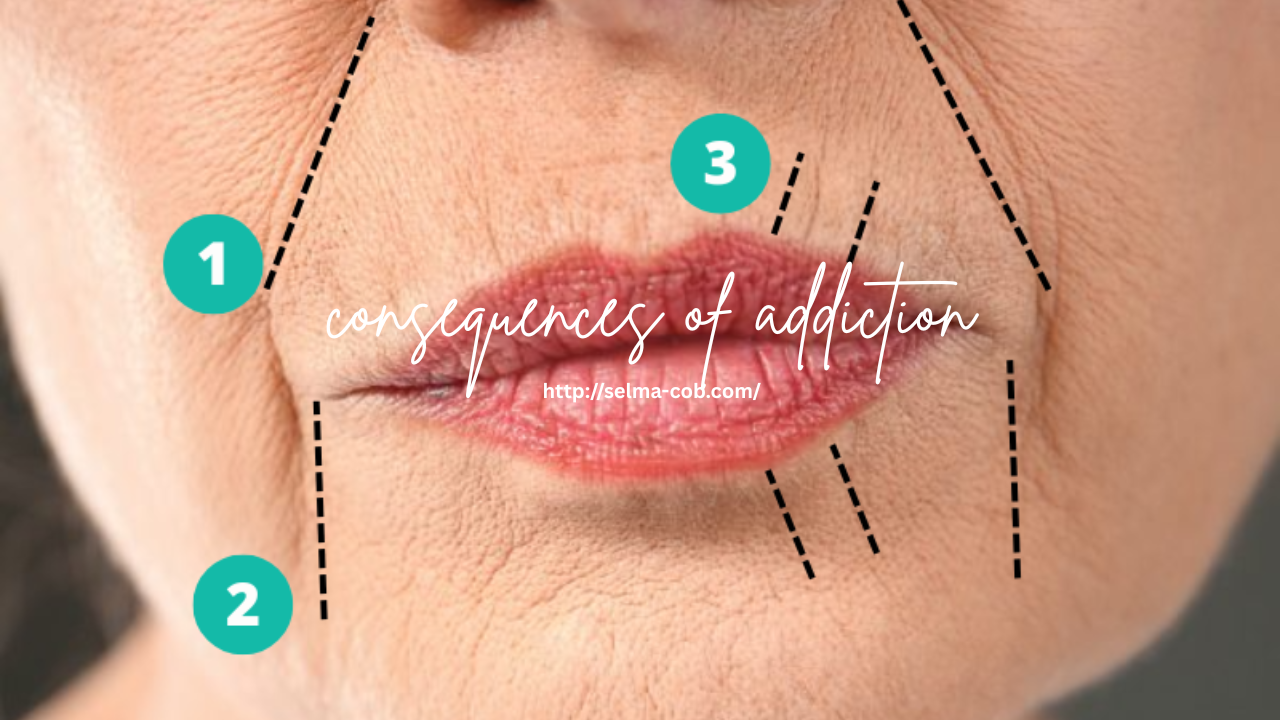
One of the most dramatic changes occurs in the face. People who once had bright eyes, smooth skin, and youthful fullness may see their appearance deteriorate rapidly. Stimulants like methamphetamine and cocaine constrict blood vessels, reducing oxygen supply to skin tissues. This results in dullness, a grayish complexion, and the formation of deep wrinkles.

The vibrant “glow” of a healthy person is quickly replaced by a hollow, sallow appearance. Facial fat diminishes, leaving a sunken look around the cheeks and eyes. Add to that the toll of sleep deprivation and dehydration, and the transformation becomes alarmingly apparent.

Skin Damage and Scarring

The skin takes a beating from substance abuse. Dehydration, poor nutrition, and toxic chemicals in drugs all contribute to a breakdown in skin integrity. Users may develop acne, rashes, or open sores, especially in the case of methamphetamine. The compulsive skin-picking behavior associated with some substances leads to infection and permanent scarring.

Alcohol and drug use also impair the body’s natural ability to heal. Minor blemishes can become serious wounds, and the loss of collagen and elastin accelerates sagging and wrinkling. Over time, these changes create an aged, worn-out appearance that belies a person’s true age.

Dental Deterioration

Another major visible consequence of substance abuse is dental decay. “Meth mouth,” a term used to describe the extreme tooth decay seen in meth users, includes blackened, rotting, or missing teeth. This is due to dry mouth, bruxism (teeth grinding), poor hygiene, and acidic drug chemicals.

Even substances like alcohol and opioids can contribute to poor oral health by weakening the immune system, reducing saliva production, and encouraging sugar cravings. A once bright smile can be destroyed, further contributing to a gaunt and neglected look.

Weight Changes and Muscle Wasting

Many substances affect appetite and metabolism. Stimulants suppress hunger, leading to rapid, unhealthy weight loss. Over time, this results in muscle wasting, protruding bones, and an overall frail appearance. The loss of muscle tone, combined with poor posture from fatigue or intoxication, can make individuals appear far older than they are.

Conversely, substances like alcohol can cause bloating and weight gain, particularly in the abdominal area, leading to an unhealthy and unbalanced physique.

Conclusion

From radiant to ravaged, the physical transformation caused by substance abuse is one of the most visible and tragic effects of addiction. Faces become gaunt, skin suffers, teeth rot, and the glow of good health vanishes. While these changes can be shocking, they also serve as a powerful wake-up call. The good news is that with sobriety, medical care, and time, many of these effects can be reversed. Recovery can restore not only health but also confidence and appearance.

How Addiction Steals Your Beauty: The Hidden Costs of Drug Use

Addiction is often portrayed in terms of its emotional and physical toll, but one of the most devastating yet overlooked effects is how it robs individuals of their natural beauty. Substance abuse not only damages internal organs but also wreaks havoc on the external body, leading to premature aging, skin disorders, hair loss, and dental problems. The hidden costs of drug use extend beyond health; they strip away the vitality and attractiveness that many once took for granted.

The Impact on Skin Health

The skin, the body’s largest organ, is one of the first areas to suffer from substance abuse. Drugs such as methamphetamine, heroin, and cocaine severely dehydrate the body, depriving the skin of necessary moisture and nutrients. As a result, users often develop dry, sagging, and discolored skin.

Methamphetamine users frequently experience “meth sores,” open wounds caused by obsessive picking due to hallucinations. These sores can become infected, leading to permanent scarring. Meanwhile, alcohol abuse inflames blood vessels, resulting in a ruddy complexion and the appearance of broken capillaries, especially around the nose and cheeks. Over time, the vibrant, healthy glow associated with youth fades, replaced by a dull, aged appearance.

Dental Deterioration

A bright, healthy smile can be one of the most attractive features a person possesses, but drug use can quickly destroy it. Methamphetamine, heroin, and cocaine users often suffer from “meth mouth,” a term describing severe tooth decay, gum disease, and tooth loss. Dry mouth, poor hygiene, and an increased intake of sugary foods all contribute to this devastating dental condition.

Alcoholics are also prone to dental issues. Chronic drinking weakens the immune system and decreases saliva production, both of which are essential for maintaining oral health. Over time, addiction can steal a beautiful smile, replacing it with damaged, discolored, or missing teeth.

Hair Loss and Nail Damage

Addiction often leads to nutritional deficiencies that affect hair and nails. Essential nutrients like biotin, iron, and zinc are crucial for maintaining thick, healthy hair and strong nails. Substance abusers typically neglect their diets, leading to brittle, thinning hair and weak, ridged nails.

Stress, common in those battling addiction, further exacerbates hair loss. Stimulants like cocaine and methamphetamine increase cortisol levels, disrupting the hair growth cycle and causing shedding and thinning. The result is a tired, unkempt appearance that can dramatically age a person.

Weight Fluctuations and Body Changes

Substance abuse often causes extreme weight fluctuations. Stimulants suppress appetite, resulting in rapid, unhealthy weight loss and a gaunt, frail appearance. On the other hand, alcohol and certain depressants can lead to bloating and significant weight gain, especially around the abdomen. These physical changes contribute to a general appearance of poor health, overshadowing the person’s natural beauty.

Conclusion

The hidden costs of addiction reach far beyond internal damage. They rob individuals of their beauty, vitality, and youthful appearance, leaving visible marks that are difficult to hide. However, there is hope. With proper treatment, nutrition, and care, it is possible to restore much of what was lost. Recovery offers not just a path to better health, but also a chance to reclaim the natural beauty that addiction tried to steal.


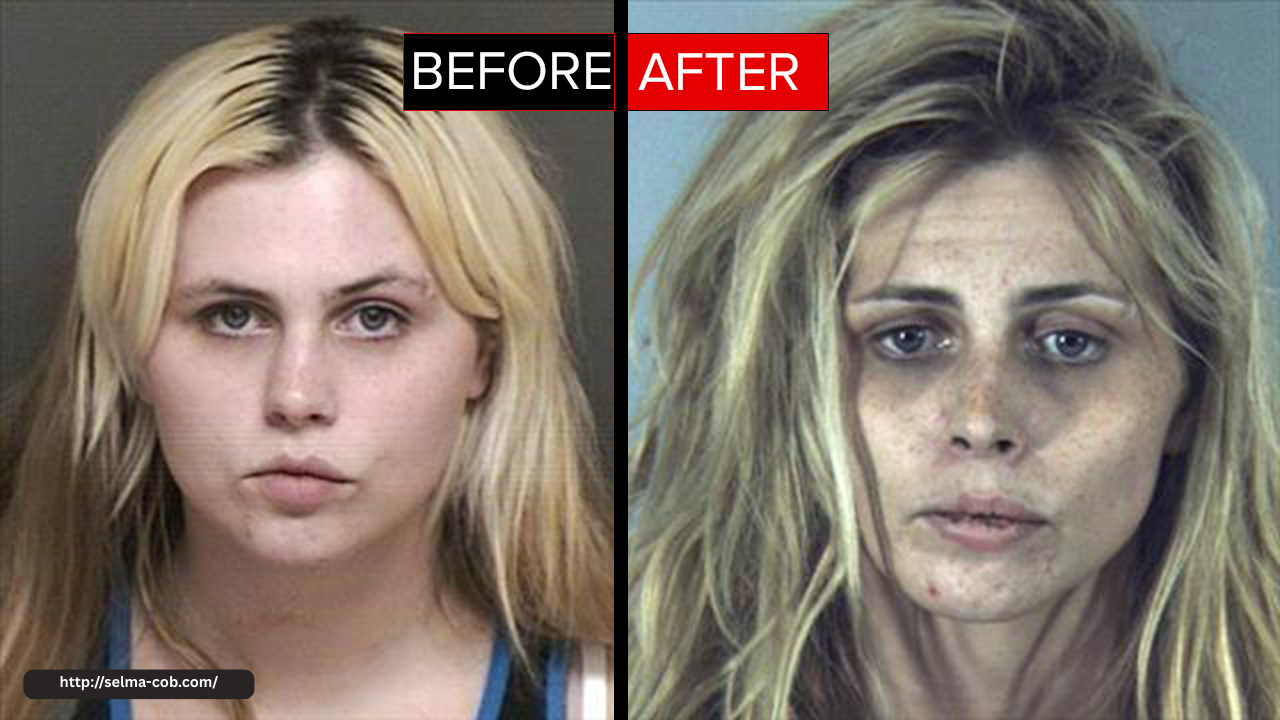
Before and After: The Shocking Effects of Substance Abuse on Your Looks

The transformation that occurs in the appearance of individuals suffering from substance abuse can be truly shocking. The phrase “before and after” often brings to mind positive changes, like fitness transformations or makeovers. However, in the context of addiction, these images tell a heartbreaking story. From healthy and vibrant to pale, gaunt, and aged, the outward changes reflect the deep physical damage caused by drug and alcohol abuse.

Facial Changes and Premature Aging

One of the most immediate signs of substance abuse appears in the face. Healthy skin loses its glow, supplanted by a dull, uneven tone. Drugs like methamphetamine and heroin lead to dehydration and reduced blood flow, resulting in sagging skin, dark circles under the eyes, and a hollowed-out look. Over time, these substances break down collagen and elastin, the proteins responsible for skin firmness and elasticity, making the face appear older than it is.

Alcohol abuse can also result in puffiness and facial redness, caused by inflamed blood vessels and poor liver function. These changes often become permanent over time, leaving a flushed or blotchy appearance. The once youthful features of the individual begin to fade, replaced by visible signs of stress and wear.

Eyes: The Windows to Decline

The eyes often give away the reality of substance abuse. Bloodshot, yellowed, or glassy eyes are common among users, caused by liver damage, dehydration, or lack of sleep. The sparkle that once signified vitality is replaced with a vacant, tired look. Puffy eyelids and dark under-eye circles further contribute to the impression of poor health and premature aging.

Hair, Skin, and Teeth Deterioration

Hair loss and thinning are common results of long-term substance abuse. Poor nutrition and hormone imbalances disrupt normal hair growth, leading to brittle strands and scalp issues. In severe cases, patches of hair may fall out entirely.

The skin also suffers, developing acne, sores, and infections. Meth users, in particular, are known to pick at their skin, leaving open wounds and permanent scarring. Alcoholics may experience chronic dryness and flushing due to broken capillaries.

Oral health often takes a nosedive. Many drugs cause dry mouth, which leads to tooth decay and gum disease. “Meth mouth” is a term that describes the severe dental problems suffered by methamphetamine users, including blackened, broken, or missing teeth. These visible issues dramatically alter the user’s appearance and are difficult and costly to repair.

Weight Loss or Gain

Extreme weight fluctuations are another physical sign of substance abuse. Stimulants such as cocaine and meth suppress appetite, resulting in rapid weight loss, muscle wasting, and a skeletal look. On the flip side, alcohol and certain sedatives can cause bloating and weight gain, particularly in the face and abdomen.

Conclusion

The before-and-after photos of individuals who have struggled with addiction are a powerful reminder of how drastically substance abuse can alter one’s appearance. From skin and hair damage to dental decay and weight changes, the physical toll is undeniable. Fortunately, with recovery and proper care, many of these changes can be reversed. Healing is possible, both inside and out, and every journey back to health is a chance to reclaim not only your well-being but your reflection in the mirror.


Skin Deep Damage: The Truth About Drugs and Your Complexion

The condition of your skin often reflects your overall health, and for individuals struggling with substance abuse, the effects on the complexion can be both drastic and alarming. Drug and alcohol abuse disrupts the body’s natural balance, damaging the skin from the inside out. Whether it’s premature aging, acne, sores, or discoloration, the toll that drugs take on your skin is a visible and often painful reminder of addiction’s reach.

Dehydration and Nutritional Deficiencies

One of the most immediate ways drugs affect the skin is through dehydration. Substances such as alcohol, cocaine, and methamphetamine act as diuretics, causing the body to lose vital fluids. This lack of hydration leads to dry, flaky skin that lacks luster and elasticity. Without proper hydration, the skin cannot perform its natural repair functions, making it prone to fine lines, wrinkles, and dullness.

In addition, substance abuse often leads to poor dietary habits and malnutrition. Essential nutrients like vitamins A, C, and E—key players in skin health—are depleted, weakening the skin’s natural barrier and increasing susceptibility to infections, irritation, and inflammation.

Acne, Sores, and Infections

Many drugs contribute to severe skin issues such as acne and sores. Methamphetamine, in particular, is infamous for causing users to pick obsessively at their skin, often due to a sensation known as “formication,” or the feeling of bugs crawling under the skin. This leads to open wounds, scabs, and long-term scarring.

Opiates and heroin can also cause intense itching and rashes. Users frequently scratch their skin, breaking the surface and increasing the risk of bacterial infections. Injections further complicate skin health, as repeated needle use can lead to abscesses, track marks, and tissue damage.

Discoloration and Skin Tone Changes

Chronic drug use can cause significant changes in skin tone and color. Alcohol, for instance, dilates blood vessels, resulting in a flushed or ruddy complexion. Over time, broken capillaries can appear, especially on the cheeks and nose, creating a permanent red or blotchy appearance.

Cocaine use is linked to vasoconstriction, which narrows blood vessels and restricts blood flow to the skin. This lack of circulation can cause a pale, ashen complexion and contribute to a sunken, hollow look. Long-term use may also lead to hyperpigmentation or uneven skin tone due to prolonged inflammation and stress on the skin.

Aging Before Your Time

Perhaps one of the most distressing consequences of substance abuse is how rapidly it accelerates the aging process. Repeated dehydration, poor nutrition, sleep deprivation, and constant stress break down collagen and elastin—the proteins responsible for youthful, firm skin. As a result, individuals often develop deep wrinkles, sagging skin, and a tired, worn-out appearance much earlier in life.

Conclusion

The effects of drugs and alcohol go far beyond internal health—they leave visible marks that alter how a person looks and feels. From acne and sores to premature aging and discoloration, the damage to your skin can be severe and lasting. The good news is that recovery can restore not only your health but also your complexion. With proper care, nutrition, and time, the skin can begin to heal, offering a visible sign of the transformation that comes with sobriety.


The Mirror Doesn’t Lie: How Substance Abuse Ages You Prematurely

Substance abuse takes a devastating toll on the body, and one of the most visible effects is premature aging. While the internal damage caused by drug and alcohol use is well-documented, the external changes can be just as alarming. From skin deterioration and dental decay to hair loss and weight fluctuations, substance abuse accelerates the aging process, making individuals look years—if not decades—older than they truly are.

Skin Deterioration and Wrinkles

One of the first and most noticeable effects of substance abuse is the impact on the skin. Many drugs, including alcohol, methamphetamine, and cocaine, dehydrate the body, leading to dry, flaky skin that lacks elasticity. Dehydration exacerbates wrinkles and fine lines, making users appear significantly older than their actual age.

Methamphetamine, in particular, is notorious for causing “meth face,” a condition marked by severe acne, sores, and sagging skin. This occurs because meth constricts blood vessels, reducing the oxygen supply to the skin and slowing down the healing process. Users often engage in compulsive skin picking due to hallucinations, leading to open wounds, infections, and permanent scarring.

Dental Decay and Tooth Loss

Oral health is another area severely impacted by substance abuse. Many drugs, especially methamphetamine, heroin, and cocaine, cause severe tooth decay, a condition commonly referred to as “meth mouth.” This results from a combination of dry mouth, poor oral hygiene, and increased cravings for sugary foods. The acidity of certain drugs also erodes enamel, leading to cavities, gum disease, and eventual tooth loss.

Alcohol abuse, while not as immediately destructive to teeth, increases the risk of periodontal disease. Chronic alcohol consumption weakens the immune system, making it harder for the body to fight off infections, including those in the gums and teeth. Over time, this can lead to tooth loss and significant damage to overall oral health.

Hair Loss and Brittle Nails

Substance abuse also impacts hair and nails, making them brittle, weak, and prone to breakage. Nutritional deficiencies caused by addiction lead to a lack of essential vitamins and minerals necessary for hair growth. Stimulants such as methamphetamine and cocaine put immense stress on the body, triggering excessive hair shedding and bald patches.

Alcohol and drug abuse can also interfere with the body’s ability to absorb nutrients, leading to weak, discolored, or ridged nails. These signs of malnutrition are often overlooked but can serve as clear indicators of prolonged substance use.

Weight Fluctuations and Muscle Wasting

Dramatic weight changes are another telltale sign of substance abuse. Stimulants like cocaine and methamphetamine suppress appetite, leading to rapid weight loss and muscle wasting. This gaunt, frail appearance is common among long-term users, as their bodies lack the necessary nutrients to maintain healthy muscle and fat levels.

Conversely, alcohol and certain opioids can lead to excessive weight gain due to slowed metabolism and increased cravings for unhealthy foods. Chronic alcohol consumption, in particular, is linked to “alcohol belly,” a condition where fat accumulates in the midsection, further contributing to an aged and unhealthy appearance.

Conclusion

The mirror doesn’t lie—substance abuse accelerates the aging process, often leaving individuals looking far older than they truly are. From severe skin damage and dental decay to hair loss and extreme weight fluctuations, the external effects of addiction are as devastating as the internal harm. Recognizing these changes can serve as a powerful motivator for individuals struggling with substance abuse to seek help. Recovery not only restores health but also offers the opportunity to regain a more youthful and vibrant appearance.

The Ugly Side of Addiction: How Substance Abuse Transforms Your Appearance

Substance abuse not only affects mental and physical health but also takes a significant toll on a person’s appearance. While the internal damage caused by drugs and alcohol is well-documented, the external signs of addiction are just as severe. These visible changes often serve as red flags to loved ones, signaling that someone may be struggling with addiction. From premature aging to severe dental issues, let’s explore how substance abuse transforms one’s appearance.

Skin Deterioration and Premature Aging

One of the most apparent signs of substance abuse is the damage it inflicts on the skin. Many drugs, including alcohol, methamphetamine, and heroin, dehydrate the body, leading to dry, dull, and flaky skin. Over time, chronic dehydration and poor nutrition accelerate the aging process, causing deep wrinkles, sagging skin, and a loss of elasticity.

Methamphetamine, in particular, is notorious for causing “meth face,” a condition characterized by severe acne, sores, and a sunken, gaunt appearance. Meth users often develop skin-picking habits due to hallucinations of bugs crawling under their skin, leading to open wounds and scars. Similarly, excessive alcohol consumption dilates blood vessels, causing redness, puffiness, and broken capillaries, especially on the nose and cheeks.

Tooth Decay and Oral Health Problems

Drugs such as methamphetamine, heroin, and cocaine have devastating effects on oral health. “Meth mouth” is a term used to describe the rampant tooth decay, gum disease, and tooth loss that occur in long-term meth users. This condition arises from a combination of poor hygiene, dry mouth, and an increased craving for sugary foods.

Cocaine users often suffer from receding gums and enamel erosion, particularly if they rub the drug on their gums or smoke crack cocaine. Additionally, alcohol abuse increases the risk of gum disease and tooth loss, as it weakens the immune system’s ability to fight infections in the mouth.

Hair Loss and Thinning

Substance abuse can cause significant hair loss due to malnutrition, stress, and hormonal imbalances. Many addicts neglect proper nutrition, leading to deficiencies in essential vitamins and minerals such as iron, zinc, and biotin, all of which are crucial for healthy hair growth.

Stimulants like methamphetamine and cocaine put extreme stress on the body, triggering hair shedding. Similarly, excessive alcohol consumption can lead to hair thinning due to liver dysfunction, which affects the body’s ability to absorb nutrients. Over time, prolonged substance abuse can result in patchy, brittle hair and, in severe cases, permanent hair loss.

Weight Fluctuations and Muscle Loss

Drastic weight changes are another telltale sign of substance abuse. Stimulant drugs such as cocaine and methamphetamine suppress appetite, leading to rapid weight loss and muscle atrophy. This often gives addicts a frail, skeletal appearance.

On the other hand, alcohol and certain opioids can cause bloating and weight gain due to their effects on metabolism and fluid retention. Chronic alcohol consumption, in particular, leads to “alcohol belly,” a condition where excessive fat accumulates around the midsection.

Conclusion

The physical transformation caused by substance abuse can be shocking and devastating. While addiction affects the body internally, its external impact is often just as damaging, leading to premature aging, severe dental problems, hair loss, and extreme weight fluctuations. Recognizing these signs can be crucial in identifying addiction early and encouraging individuals to seek help. Recovery not only restores health but can also help repair much of the visible damage caused by addiction, offering hope for a brighter, healthier future.


Unmasking Addiction: The Visible and Invisible Toll of Substance Abuse

Addiction is often described as a disease that does not discriminate, affecting individuals across all walks of life. Yet, while the nature of addiction may be universal, its impact is profoundly personal, leaving visible and invisible scars on those who suffer. Substance abuse, whether it involves alcohol, prescription drugs, or illicit substances, takes a toll on both the body and mind, unmasking the harsh realities of addiction. Understanding the dual nature of these effects is key to addressing the problem and supporting recovery.

The Visible Toll of Addiction

The physical consequences of substance abuse are often the first to be noticed, as addiction wreaks havoc on the body over time. The face, often referred to as the “window to health,” becomes a canvas for the damage caused by drugs and alcohol. Weight loss, gaunt features, and dark circles under the eyes are common signs. Many drugs suppress appetite, leading to malnutrition and emaciation, while alcohol abuse can cause bloating and a flushed, unhealthy complexion.

Certain substances have distinct physical effects. Methamphetamine use is notorious for causing severe dental decay, known as “meth mouth,” along with open sores and scarring on the skin due to compulsive picking. Cocaine use can erode the nasal septum, while heroin injections often leave track marks and scarring on the skin. Chronic alcohol abuse can lead to jaundice—a yellowing of the skin and eyes—caused by liver damage.

Over time, these visible signs of addiction not only reflect physical health decline but also contribute to social stigma, isolating the individual further and deepening the cycle of substance use.

The Invisible Toll of Addiction

While the visible effects of addiction are striking, the invisible toll it takes on mental health is equally devastating. Addiction alters brain chemistry, affecting areas responsible for decision-making, memory, and emotional regulation. What begins as a voluntary act of using a substance becomes a compulsion, driven by changes in the brain’s reward system.

Mental health disorders such as depression, anxiety, and paranoia often accompany addiction. Stimulants like cocaine and methamphetamine can lead to psychosis, hallucinations, and extreme paranoia. Depressants, such as opioids and alcohol, exacerbate feelings of sadness and hopelessness, creating a dangerous loop where individuals use substances to escape emotional pain, only to find their mental health worsening over time.

Beyond the psychological effects, addiction also erodes personal relationships, careers, and financial stability, creating a sense of despair and isolation. For many, the shame and guilt of their addiction become overwhelming, making it difficult to seek help.

Breaking the Cycle

The dual impact of addiction—visible and invisible—makes recovery a complex but achievable journey. Effective treatment addresses both physical health and mental well-being, focusing on detoxification, counseling, and long-term support. Recognizing the invisible pain behind the visible symptoms of addiction is vital for fostering empathy and encouraging individuals to seek help without fear of judgment.

Conclusion

Unmasking addiction reveals the dual toll it takes on individuals, both seen and unseen. The physical changes may be the most apparent, but the internal struggles are just as profound. By addressing addiction holistically, offering compassion, and supporting recovery efforts, we can help individuals rebuild their lives and heal from the visible and invisible scars of substance abuse.

From Health to Ruin: How Substance Abuse Changes Lives and Faces

Substance abuse is a devastating force that not only destroys the lives of individuals but also leaves a permanent mark on their appearance and overall health. What often begins as recreational use or an escape from pain can quickly spiral into a destructive cycle, leading to both visible and invisible changes in the body and mind. The journey from health to ruin is marked by gradual yet unmistakable transformations—changes in the face and body that reflect the toll addiction takes. This article explores the dramatic shift that occurs when someone falls prey to substance abuse, and how it alters their lives and their appearance in ways that cannot be ignored.

The Initial Descent: Innocence to Dependency

For many individuals, substance abuse starts innocently enough. Whether it’s using drugs or alcohol at parties, or turning to substances as a way to manage stress or mental health issues, the initial stages are often marked by a sense of control. However, as tolerance builds and dependency begins to take hold, the impact becomes more profound. Addiction sets in as the need for the substance increases, leading to a diminished ability to function without it. This gradual decline is often hidden, as users may still appear relatively normal in the early stages of abuse.

Yet, even in the beginning, subtle signs of change are present. The skin may start to look duller, and the energy that once radiated from a person begins to fade. As substance use continues, these changes deepen, leading to more visible effects. The health of the individual, once vibrant, deteriorates over time, and the first real signs of this shift become apparent in their appearance.

Physical Transformation: The Toll on the Body

One of the first and most noticeable effects of substance abuse is the transformation of a person’s face and body. Drugs like cocaine and methamphetamine cause extreme weight loss, leading to gaunt, hollow cheeks and sunken eyes. These changes are not only caused by a lack of nutrition but also by the body’s response to the chemicals themselves. For example, methamphetamine use can lead to severe dental issues, known as “meth mouth,” where teeth become discolored, rotten, and even fall out. These dental problems, along with the drastic weight loss and pockmarked skin, leave the face looking weathered and aged.

Alcohol abuse is another major contributor to physical decline. Chronic alcohol consumption can result in bloating and swelling, particularly around the abdomen, giving users a puffy, unhealthy appearance. Over time, the skin begins to lose its elasticity, leading to sagging, wrinkling, and an unhealthy pallor. Alcohol can also affect the liver, causing jaundice and discoloration of the skin, making an individual’s face look sallow and yellowed.

In addition to these visible changes, the overall health of the individual begins to deteriorate. Addiction weakens the immune system, making it easier for infections to take hold. Chronic substance use can lead to liver disease, heart problems, and respiratory issues, further compounding the physical toll.

Mental Decline: The Unseen Consequences

While the physical changes are often the most visible, the mental decline associated with substance abuse is just as profound, if not more so. The chemicals in drugs and alcohol alter brain chemistry, leading to cognitive impairment, memory loss, and emotional instability. What was once a person with sharp focus and clear thinking becomes someone whose judgment is clouded, whose emotions are unpredictable, and whose memory begins to fade.

The psychological toll of addiction often leads to depression, anxiety, and a deep sense of isolation. The person who once thrived in relationships and work life may retreat from both, as the addiction takes over. This emotional shift can be just as destructive as the physical changes, as it further alienates the individual from the support systems they once had.

The Cycle of Ruin

Substance abuse does not just change a person’s appearance—it changes their life. The cycle of addiction feeds on itself, creating a continuous downward spiral that is hard to escape. The longer the abuse continues, the more entrenched the individual becomes in their addiction. Relationships crumble, careers falter, and the individual often finds themselves isolated, struggling to maintain a semblance of normalcy.

By the time a person reaches the point of severe substance abuse, their face and body often bear the evidence of their struggles. It is a reminder of how addiction has ravaged them, both physically and mentally. However, it is important to note that with treatment, recovery is possible. While the changes may be permanent in some cases, many individuals can restore their health and rebuild their lives with the right support and resources.

Conclusion

From health to ruin, substance abuse transforms lives in profound and irreversible ways. The face, in particular, becomes a canvas that reflects the internal destruction of addiction. While physical appearance is often the first visible sign of the toll addiction has taken, the mental and emotional damage runs much deeper. For those suffering from substance abuse, recovery offers a path forward—a chance to reclaim their health, their lives, and their faces, one step at a time.

The Haggard Face of Substance Abuse: A Journey Through Physical and Mental Deterioration

Substance abuse has long been a critical issue affecting individuals, families, and societies at large. One of the most alarming consequences of prolonged substance use is the severe physical and mental deterioration that follows. While addiction often begins as a coping mechanism or recreational escape, the toll it takes on the human body and mind can be devastating. This journey from initial use to a life overwhelmed by addiction is marked by profound changes, both externally in the form of visible deterioration and internally as the mind slowly succumbs to dependence.

The Physical Toll

One of the most evident consequences of substance abuse is the drastic change in a person’s appearance. The once vibrant, healthy individual may begin to show signs of premature aging, including sunken eyes, gaunt cheeks, and wrinkled skin. The face, in particular, often reflects the haggard, worn look that comes with the use of certain substances. For example, methamphetamine abuse is notorious for causing “meth mouth,” where users experience severe dental decay and loss, often accompanied by sores on the face due to compulsive skin picking. Long-term alcohol abuse may lead to broken capillaries, red, blotchy skin, and a bloated appearance, contributing to an aged, unhealthy look.

Weight loss is another hallmark of substance abuse. Addicts often neglect proper nutrition, leading to emaciation and muscle loss. Some drugs suppress appetite, resulting in malnourishment, while others, like alcohol, may cause the body to retain excess fat, particularly around the abdomen. Both extremes—severe undernourishment or obesity—reflect the lack of balance in the body due to substance misuse.

Beyond visible damage, substances like cocaine, heroin, and alcohol have more profound internal effects. Prolonged use can lead to liver failure, heart disease, and weakened immune systems, making the individual more susceptible to infections and illnesses. This cascading series of physical health issues further compounds the visible aging and deterioration experienced by addicts.

Mental Deterioration and Cognitive Decline

Substance abuse doesn’t only ravage the body; it also deteriorates the mind. Chronic use alters brain chemistry, leading to cognitive impairment, memory loss, and difficulty concentrating. The initial euphoria or escape provided by drugs eventually gives way to dependency, where the user requires more of the substance to achieve the same effect, setting off a vicious cycle.

The longer a person remains dependent on substances, the more severe the mental decline. Stimulants like cocaine and methamphetamines can lead to paranoia, hallucinations, and aggressive behavior. Depressants like alcohol and opioids may result in depression, anxiety, and a numbing of emotions. Over time, this mental deterioration isolates the individual from friends, family, and society, deepening their reliance on substances to cope with their increasing despair.

Social and Emotional Consequences

The emotional burden of substance abuse extends beyond the user. Families, friends, and entire communities often suffer as they witness a loved one’s decline. Relationships deteriorate as trust is eroded and responsibility is abandoned. Addicts may experience a loss of employment, financial hardship, or legal troubles, all of which exacerbate the emotional toll.

Substance abuse also robs individuals of their self-esteem and sense of worth. The visible and mental decline often leads to feelings of shame and guilt, perpetuating the cycle of addiction. Many who struggle with addiction feel trapped, believing they are too far gone to seek help, which prolongs their suffering.

Conclusion

The haggard face of substance abuse tells a story of physical and mental deterioration. What begins as a coping mechanism or a means of escape soon spirals into a relentless cycle of addiction, leaving both body and mind in ruins. While the toll on appearance is often the most immediate and visible, the deeper, long-lasting effects on mental health and cognitive function are equally devastating. Breaking free from this cycle requires not only physical recovery but also emotional and psychological healing, emphasizing the need for comprehensive support and treatment for those suffering from substance abuse.

The Haggard Face of Substance Abuse and Its Consequences

Substance abuse is a devastating condition that not only wreaks havoc on the body and mind but also manifests in striking physical changes. The haggard face of substance abuse is one of the most visible signs of addiction, offering a glimpse into the profound effects drugs and alcohol can have on an individual’s health and appearance. Recognizing these signs is crucial, not only for the individual suffering from substance abuse but also for those around them who might be in a position to offer help.

Physical Changes and Facial Degradation

One of the most telling signs of substance abuse is the rapid aging and degradation of facial features. Individuals who abuse substances often exhibit a pale, ashen complexion, marked by dark circles under their eyes, sunken cheeks, and a generally gaunt appearance. These changes occur due to a combination of factors, including dehydration, poor nutrition, and the toxic effects of substances on the body.

Dehydration is a common issue among those who abuse drugs and alcohol. Many substances, particularly alcohol and stimulants like cocaine or methamphetamine, cause the body to lose fluids rapidly. This leads to dry, flaky skin and exacerbates the appearance of wrinkles and fine lines. The lack of proper hydration, combined with poor dietary habits, robs the skin of its natural elasticity and glow, making the face appear worn and aged beyond the individual’s years.

The Impact of Toxins on Skin and Hair

The toxins in drugs and alcohol also contribute to the haggard appearance associated with substance abuse. These substances can cause severe damage to the skin, leading to issues such as acne, sores, and infections. For instance, methamphetamine is notorious for causing “meth mouth,” a condition characterized by severe tooth decay and gum disease, as well as open sores on the face, often due to excessive scratching or picking at the skin. This results in a visage that is not only aged but also scarred and marred by blemishes.

Hair health also suffers significantly under the strain of substance abuse. Drug use can lead to thinning hair, bald patches, and an overall dull, lifeless appearance. This is often due to a combination of malnutrition, hormonal imbalances, and the direct toxic effects of the substances themselves.

Psychological and Social Consequences

Beyond the physical toll, the haggard face of substance abuse also reflects the psychological and social decline that often accompanies addiction. The visible deterioration of one’s appearance can lead to feelings of shame, low self-esteem, and social isolation. This can create a vicious cycle, where the individual continues to abuse substances to cope with the emotional pain, further exacerbating the physical and psychological damage.

Socially, the changes in appearance can lead to strained relationships with family, friends, and coworkers. People may become concerned or even alarmed by the noticeable changes, which can result in interventions or, in some cases, social ostracization. The stigma associated with the physical signs of substance abuse can be incredibly damaging, often leading the individual further into the depths of their addiction.

Conclusion

Recognizing the signs of substance abuse, particularly the physical changes that manifest in the face, is essential for early intervention and support. The haggard face of substance abuse is more than just a superficial change; it is a visible indicator of the severe and life-threatening consequences of addiction. By understanding these signs, we can better support those struggling with substance abuse and help them find the treatment and care they need to reclaim their lives.