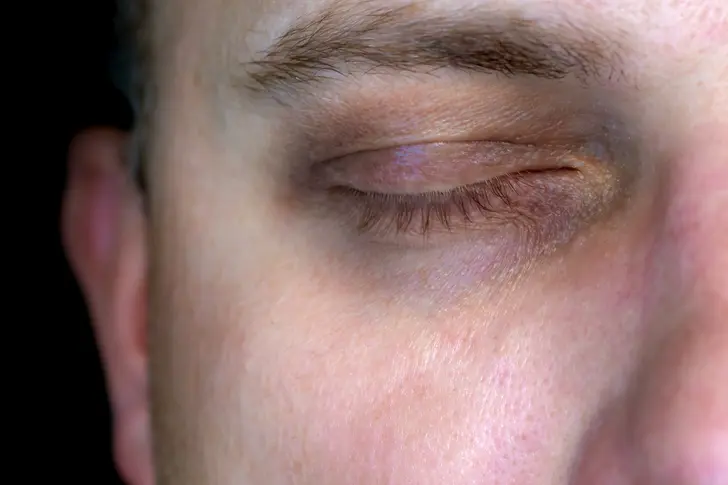
Addiction leaves its mark in many ways, but some of the most obvious signs appear on the face. The changes can be subtle at first—a dull complexion, slight puffiness, or tired eyes—but over time, substance abuse can drastically alter appearance. These visible effects are not just cosmetic; they reflect the body’s struggle to maintain health while under the stress of drugs or alcohol. At Selma-Cob, we understand that physical appearance often mirrors emotional and physical well-being. Our holistic, faith-based, and individualized programs help clients restore health and confidence, both inside and out.
How Addiction Impacts Facial Health
Skin: The First Indicator
The skin is highly sensitive to nutrition, hydration, and circulation—all of which are compromised during substance abuse. Alcohol and drugs dehydrate the body and reduce blood flow, causing the skin to lose its natural glow. Stimulants like methamphetamine and cocaine accelerate the breakdown of collagen and elastin, proteins that maintain skin elasticity and firmness. The result is premature wrinkles, sagging, and a dull, uneven complexion. In addition, some substances prompt compulsive skin picking or acne flare-ups, leaving scars and permanent marks.
Eyes: Windows to Fatigue and Illness
Eyes often reflect the early stages of substance-related stress. Chronic drug use can cause bloodshot eyes, dark circles, and puffiness, while liver strain from alcohol may produce yellowing of the sclera. Sleep disruption, nutrient deficiencies, and dehydration all contribute to a tired or hollow look. Beyond appearance, these signs can indicate underlying physical strain that requires medical attention.
Hair, Nails, and Oral Health
Addiction affects more than skin and eyes. Hair may become brittle, thin, or fall out due to malnutrition and hormonal imbalances. Nails can become weak or discolored. Oral health is also severely impacted: dry mouth, poor hygiene, and sugary cravings from substances increase the risk of cavities, gum disease, and tooth loss. Conditions like “meth mouth” highlight the severity of dental decay associated with stimulant abuse. These changes are visible and often affect self-esteem, further complicating emotional recovery.
The Emotional Weight of Visible Changes
The physical toll of addiction can deeply affect mental and emotional well-being. Individuals may feel shame, embarrassment, or social withdrawal when they no longer recognize themselves in the mirror. These feelings can reinforce the cycle of addiction, making it harder to seek help or maintain sobriety. At Selma-Cob, we recognize that recovery is holistic: it addresses physical, emotional, and spiritual needs simultaneously.
Healing and Reversing the Damage
Recovery offers an opportunity to restore both appearance and health. Proper nutrition, hydration, medical care, and rest allow the body to heal. Skin can regain tone, hair can grow stronger, and oral health can improve with professional treatment. In addition, counseling, trauma-informed care, and faith-based support help rebuild confidence and self-esteem.
Selma-Cob provides personalized inpatient and outpatient programs that integrate holistic approaches with evidence-based treatment. By addressing the root causes of addiction and promoting whole-body wellness, clients can reclaim not only their health but also their natural vitality and appearance.
Conclusion: Reflecting Health and Hope
Addiction may alter the way you look, but it does not define you. Recovery gives you the chance to restore health, rebuild self-confidence, and reclaim your natural radiance. At Selma-Cob, our compassionate and professional team is here to guide every step of the journey, helping you heal from the inside out.
If you or a loved one are struggling with substance abuse, reach out today. Together, we can begin the path to recovery and restoration, ensuring that the reflection in the mirror aligns with the strength and wellness within.